Smart Parenting Habits for Strong and Active Kids (Ages 3–10)
Smart Parenting: Activities and Habits to Build Strong, Active, and Confident Kids (Ages 3–10)


Parenting is not only about love and care; rather, it is also about guiding children in the right direction at the right age. Especially between the ages of 3 to 10, children’s brains and bodies develop very fast. Therefore, parents play a crucial role in shaping their mental strength, physical health, and emotional balance. Smart Parenting Habits for Strong and Active Kids focus on daily routines, activities, and emotional handling that help children grow confidently and healthily.
Understanding the Age Group (3–10 Years)
Children between 3 and 10 years are curious, energetic, emotional, and highly observant. At this stage, their habits are formed naturally through daily experiences. However, if parents do not guide them properly, children may develop fear, low confidence, weak physical stamina, or poor problem-solving skills. Hence, Smart Parenting Habits for Strong and Active Kids start with understanding why children behave the way they do.
Why Children Act Differently at This Age
-
Their brains are still developing
-
They express emotions through actions, not words
-
They learn by observing parents
-
They need movement for healthy growth
Because of this, scolding or comparing children often creates stress instead of improvement.

Parents are the first teachers. Therefore, their reactions, routines, and habits directly affect children’s behavior. Smart ParentingHabits for Strong and Active Kids encourage calm communication, consistency, and emotional safety at home.
Key Parenting Principles
-
Respond calmly instead of reacting angrily
-
Create routines for sleep, meals, and play
-
Encourage effort, not just results
-
Spend quality time daily
As a result, children feel secure, confident, and motivated to learn.
Mental Development: Building a Sharp and Confident Mind
Mental strength does not mean academic pressure. Instead, it means emotional balance, thinking ability, and problem-solving skills. Smart Parenting Habits for Strong and Active Kids promote mental activities that are simple yet effective.
Mental Activities That Work
-
Storytelling with questions
-
Puzzle games and matching games
-
Asking children to make small decisions
-
Encouraging curiosity through “why” questions
Consequently, children learn how to think instead of memorizing.
Physical Development: Making Kids Strong and Active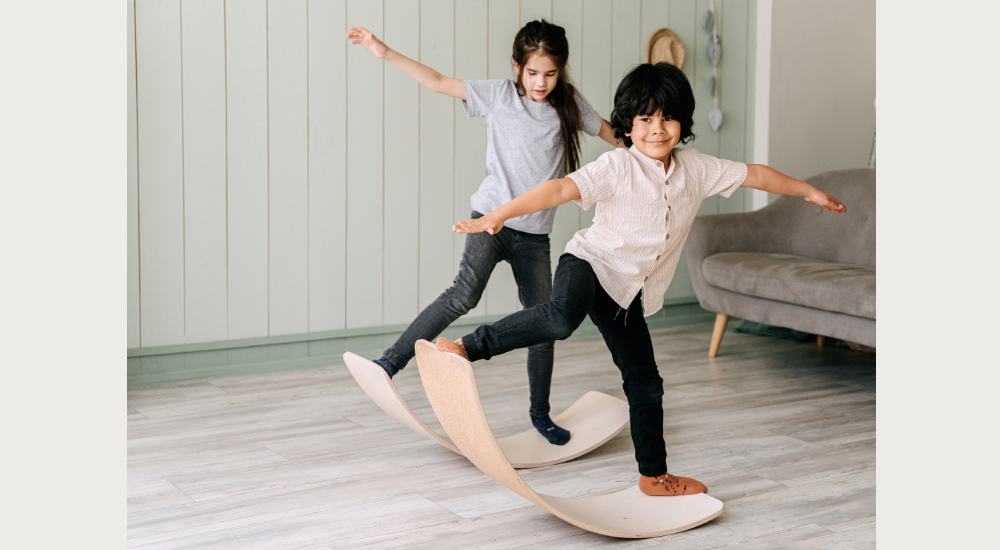
Physical activity is essential for healthy muscles, bones, and immunity. Unfortunately, excessive screen time reduces movement. That is why Smart Parenting Habits for Strong and Active Kids emphasize daily physical activities at home.
Physical Activities at Home
-
Jumping, skipping, and balancing games
-
Simple yoga and stretching
-
Dance and free movement
-
Indoor obstacle courses
As a result, children become energetic, flexible, and active.
Emotional Health: The Foundation of Confidence
A child’s emotional health decides how confident and secure they feel. When parents listen patiently, children feel valued. Therefore, Smart Parenting Habits for Strong and Active Kids include emotional support as a core element.
Emotional Habits Parents Should Follow
-
Listen without interrupting
-
Validate children’s feelings
-
Avoid harsh criticism
-
Encourage expression through words
Thus, children learn to manage emotions instead of suppressing them.
Problem-Solving Skills: Teaching Kids to Think Smartly
Children face small problems daily, such as sharing toys or completing tasks. Instead of solving everything for them, parents should guide them. Smart Parenting Habits for Strong and Active Kids focus on teaching problem-solving step by step.
How Parents Can Teach Problem Solving
-
Ask guiding questions
-
Let children try first
-
Appreciate effort
-
Discuss mistakes calmly
Therefore, children develop independence and confidence.
Daily Habits That Build Strong Kids
Habits shape a child’s future. Small daily actions create big results over time. Smart Parenting Habits for Strong and Active Kids include routines that support both mind and body.
Healthy Daily Habits
-
Fixed sleep schedule
-
Balanced meals
-
Limited screen time
-
Outdoor or indoor play daily
As a result, children feel energetic and focused.
Activities by Age Group (3–10 Years)
Below is a clear table to help parents understand which activities suit each age group best.
🧠💪 Age-Wise Activities Table
| Age Group | Mental Activities | Physical Activities | Emotional Support |
|---|---|---|---|
| 3–4 yrs | Storytelling, color sorting | Free movement, jumping | Comfort, reassurance |
| 5–6 yrs | Puzzles, simple decisions | Skipping, balance games | Praise efforts |
| 7–8 yrs | Memory games, problem tasks | Yoga, indoor sports | Encourage expression |
| 9–10 yrs | Strategy games, planning | Strength games, dance | Respect opinions |
This table supports Smart Parenting Habits for Strong and Active Kids by offering clarity and structure.
What Parents Should Avoid
Sometimes, improvement requires avoiding harmful habits. Smart Parenting Habits for Strong and Active Kids also highlight what not to do.
Things to Avoid
-
Excessive screen exposure
-
Comparing children with others
-
Overloading with expectations
-
Ignoring emotional needs
Otherwise, children may develop stress and insecurity.
Why These Habits Work
Children learn through repetition and observation. When parents practice healthy habits, children follow naturally. Smart Parenting Habits for Strong and Active Kids work because they are based on psychology, routine, and emotional safety.
Key Reasons
-
Children feel secure
-
Confidence grows naturally
-
Physical strength improves
-
Emotional balance develops
Thus, growth becomes holistic.
Building Confidence Through Daily Interaction
Confidence is not taught; it is built through experience. Parents should allow children to try, fail, and try again. Smart Parenting Habits for Strong and Active Kids encourage independence with guidance.
Confidence-Building Tips
-
Allow age-appropriate responsibility
-
Encourage self-expression
-
Celebrate small achievements
As a result, children believe in themselves.
Final Thoughts for Parents
Parenting is a journey, not a competition. By adopting Smart Parenting Habits for Strong and Active Kids, parents can raise mentally sharp, emotionally balanced, and physically strong children. Consistency, patience, and love are the strongest tools parents possess. When children feel safe and supported, they naturally grow into confident and active
FAQs (Frequently Asked Questions)
1. What are the best daily habits to make kids strong and active?
The best daily habits include:
-
Regular sleep schedule
-
Balanced meals with proteins and vitamins
-
Daily physical activity (play, yoga, or exercises)
-
Limiting screen time
-
Encouraging problem-solving activities
These habits ensure both mental sharpness and physical strength for children aged 3–10.
2. How can parents improve their child’s problem-solving skills?
Parents can:
-
Ask guiding questions instead of giving direct solutions
-
Let children make small decisions independently
-
Use puzzle games, memory games, and strategy activities
-
Praise effort rather than results
This approach helps children think critically and develop confidence.
3. Which activities are suitable for different age groups?
| Age Group | Mental Activities | Physical Activities |
|---|---|---|
| 3–4 yrs | Storytelling, color sorting | Free movement, jumping |
| 5–6 yrs | Puzzles, matching games | Skipping, balance games |
| 7–8 yrs | Memory and strategy games | Yoga, indoor sports |
| 9–10 yrs | Planning, problem-solving tasks | Strength games, dance |
These activities follow Smart Parenting Habits for Strong and Active Kids and support age-appropriate growth.
4. How can parents balance mental and physical development?
By combining both types of activities in daily routines:
-
Mental: puzzles, storytelling, critical thinking
-
Physical: yoga, skipping, free play
-
Emotional: listening, validating feelings
Balancing all three ensures holistic development.
5. How can parents handle emotional challenges in children?
-
Listen patiently without interrupting
-
Avoid harsh criticism
-
Encourage children to express feelings verbally
-
Praise effort and not just achievements
This helps children develop emotional intelligence and confidence.
6. What should parents avoid for healthy child development?
-
Excessive screen time
-
Comparing children with others
-
Overloading with expectations
-
Ignoring emotional needs
Avoiding these ensures children grow confidently, mentally sharp, and physically active.
7. Can these habits help children become more confident?
Yes. When children are allowed to try, make mistakes, and solve problems with guidance, they naturally develop self-belief. Consistency in Smart Parenting Habits for Strong and Active Kids is key to building confidence.
8. How long does it take to see results from these parenting habits?
-
Mental improvements: 2–3 months of consistent problem-solving activities
-
Physical strength: 1–2 months of daily activity and proper nutrition
-
Emotional and confidence growth: gradual, 3–6 months with consistent support
Consistency and patience are essential.
9. Are indoor activities enough for physical health?
Yes, for children aged 3–10, indoor activities like yoga, balance games, dance, and obstacle courses are sufficient when practiced daily. Outdoor play can enhance fitness further, but indoor routines also build mental and physical strength effectively.
10. How can parents implement these habits without stress?
-
Set a simple routine (sleep, meals, activities)
-
Combine play with learning
-
Include the whole family
-
Avoid pushing children; encourage gradually
Smart Parenting Habits for Strong and Active Kids should feel natural, not forced.