Skincare for Hormonal Acne (Easy & Effective Treatment Guide)
How To Do Skincare for Hormonal Acne, Complete & Easy Treatment Guide

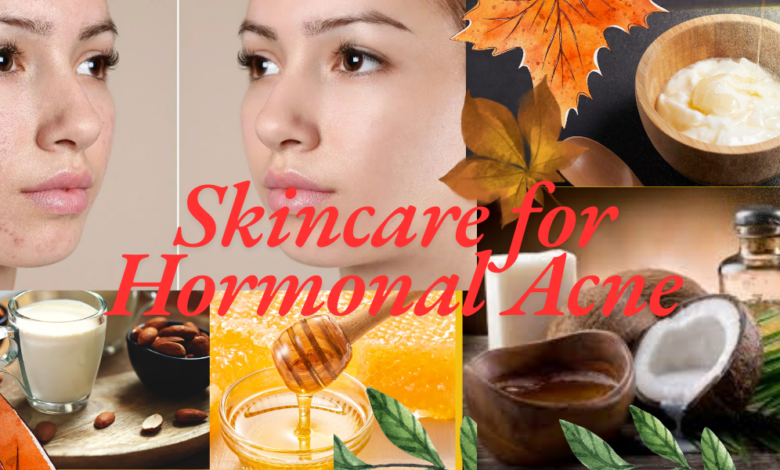
Hormonal acne is a common but frustrating skin condition that usually appears on the chin, jawline, and lower cheeks. Unlike regular acne, it is deeply connected to internal hormonal changes, which is why random products often fail to give results. This article is written to solve the problem, not confuse you. You will learn what hormonal acne is, why it happens, and the skincare for hormonal acne that is simple, effective, and easy to follow.
This guide is SEO-optimized, beginner-friendly, and focuses on natural ,skincare for hormonal acne dermatologist-approved skincare that works long term.
Ingredient Bio Table (Key Ingredients Explained)
| Ingredient | Role in Hormonal Acne | How It Helps |
|---|---|---|
| Niacinamide | Oil control | Reduces redness & strengthens barrier |
| Salicylic Acid | Pore cleansing | Treats cystic & clogged pores |
| Retinol | Cell turnover | Prevents future breakouts |
| Ceramides | Skin repair | Protects skin barrier |
| Hyaluronic Acid | Hydration | Prevents dryness & irritation |
 What Is Hormonal Acne?
Hormonal acne occurs due to fluctuations in hormones, especially androgens. These hormones increase oil production, clog pores, and cause deep, painful breakouts. Hormonal acne is most common in adult women but can affect men as well. It often worsens before periods, during stress, pregnancy, or with conditions like PCOS.
The best skincare for hormonal acne focuses on balancing oil, reducing inflammation, and protecting the skin barrier instead of using harsh treatments.
Main Causes of Hormonal Acne
Hormonal acne usually does not have just one cause. Internal and external factors work together. Hormonal imbalance, excess sebum production, stress, poor diet, lack of sleep, and using the wrong skincare products are the most common reasons. When hormones trigger oil glands, pores clog easily, bacteria grow, and acne becomes inflamed..
Understanding these causes helps you choose the best skincare for hormonal acne instead of wasting money on products that do not work.
Best Skincare Routine for Hormonal Acne (Simple & Effective)
Hormonal acne usually appears around the jawline and chin due to hormone imbalance. A gentle cleanser used twice daily helps remove oil without irritating the skin. Using products with salicylic acid or niacinamide can reduce inflammation and unclog pores. Lightweight, non-comedogenic moisturizers are important to keep skin balanced and prevent excess oil. At night, retinoids help control breakouts and improve skin texture over time. Consistency, patience, and avoiding harsh products are key to managing hormonal acne effectively.
Gentle Cleanser
Cleansing removes excess oil, dirt, and bacteria without damaging the skin barrier. A harsh cleanser can make hormonal acne worse by triggering more oil production.
Look for a gentle cleanser with salicylic acid, niacinamide, or ceramides. Use it twice daily with lukewarm water. This step is essential in any skincare routine for hormonal acne.
Treatment Serum
Treatment serums are the most important part of the best skincare for hormonal acne. Niacinamide helps control oil and reduce redness. Salicylic acid penetrates deep into pores and prevents cystic acne. Retinoids regulate skin cell turnover and prevent clogged pores.
Use niacinamide daily, salicylic acid two to three times a week, and retinol only at night. Start slowly to avoid irritation.
Moisturizer
Many people skip moisturizer, thinking it causes acne. In reality, skipping moisturizer weakens the skin barrier and worsens hormonal acne. Choose a lightweight, oil-free, non-comedogenic moisturizer. Ingredients like hyaluronic acid, ceramides, and squalane are ideal.
Hydrated skin heals faster and responds better to treatment. This makes moisturizer a key part of the best skincare for hormonal acne.
Sunscreen
Sun exposure darkens acne marks and increases inflammation. A gel-based sunscreen with SPF 30 or higher protects your skin without clogging pores. Apply sunscreen every morning, even if you stay indoors.
Easy Home Treatments That Support Skincare
Home remedies do not cure hormonal acne alone, but they support professional skincare. Aloe vera gel soothes inflammation and reduces redness. Green tea, used topically or consumed daily, helps control oil production. Tea tree oil can be used as a spot treatment when diluted properly.
These remedies work best when combined with the skincare for hormonal acne, not as replacements.
Diet and Lifestyle for Hormonal Acne Control
What you eat directly affects your hormones. A diet high in sugar and dairy can trigger breakouts. Focus on whole foods, vegetables, omega-3 fatty acids, zinc-rich foods, and plenty of water. Reducing processed food helps balance hormones naturally.
Lifestyle habits matter just as much as skincare. Managing stress, sleeping well, changing pillowcases regularly, and avoiding touching your face can significantly improve results.
When skincare, diet, and lifestyle work together, the best skincare for hormonal acne becomes even more effective.
Common Mistakes to Avoid
Over-exfoliating, using too many active ingredients at once, popping cystic acne, skipping moisturizer, and expecting instant results are the biggest mistakes. Hormonal acne requires patience and consistency.
Avoid harsh scrubs and alcohol-based products. The best skincare for hormonal acne always focuses on balance, not aggression.
How Long Does Hormonal Acne Take to Improve?
Hormonal acne does not disappear overnight. Mild acne may improve in four to six weeks, while moderate to severe acne may take three to six months. Consistency with the best skincare for hormonal acne is the key to success.
When Should You See a Dermatologist?
If acne is painful, cystic, leaving scars, or not improving after three months, professional treatment is recommended. Conditions like PCOS may require medical support along with skincare.
Frequently Asked Questions (FAQ)
What is the best skincare for hormonal acne?
The best skincare for hormonal acne includes a gentle cleanser, targeted treatments like niacinamide or salicylic acid, a lightweight moisturizer, and daily sunscreen. Consistency and gentle care are more effective than harsh products.
Can hormonal acne be treated naturally?
Yes, hormonal acne can improve naturally with proper skincare, a balanced diet, stress management, and good sleep. Natural remedies support treatment but should be combined with a consistent skincare routine.
How long does hormonal acne take to clear?
Hormonal acne usually shows improvement within four to six weeks. Moderate to severe cases may take three to six months with consistent skincare and lifestyle changes.
Does diet affect hormonal acne?
Yes, diet plays an important role. High sugar, dairy, and processed foods may worsen acne, while whole foods, vegetables, and omega-3 fatty acids help balance hormones.
Should I moisturize if I have hormonal acne?
Yes, moisturizing is essential. Skipping moisturizer can damage the skin barrier and increase oil production, making hormonal acne worse.
Final Thoughts
Hormonal acne can feel overwhelming, but it is completely manageable with the right approach. skincare for hormonal acne is gentle, consistent, and focused on proven ingredients. When combined with a healthy diet and lifestyle, clear and healthy skin is achievable.