Deep Sleep Techniques: Better Sleep Naturally & Fast
Deep Sleep Techniques | Natural Ways to Improve Sleep Quality


Deep Sleep Techniques:
Discover the best deep sleep techniques to improve your health and energy. Learn natural tips, bedtime routines, and relaxation methods for better sleep quality.
Getting better sleep doesn’t have to mean relying on medications or expensive gadgets. If you’re tired of tossing and turning at night, struggling to fall asleep, or waking up feeling groggy, these deep sleep techniques can help you reclaim your rest naturally.
This guide is for anyone who wants to improve their sleep quality without pills or complicated solutions. You’ll discover natural ways to improve sleep that work with your body’s rhythms, not against them. Whether you’re a busy professional, stressed parent, or someone dealing with occasional sleeplessness, these methods can fit into your life.
We’ll explore how to create the perfect sleep environment that signals your brain it’s time to wind down. You’ll also learn about the best foods for good sleep and how simple changes to your evening routine can dramatically improve your rest. Finally, we’ll cover natural relaxation techniques that help quiet your mind and prepare your body for deep, restorative sleep.
Ready to wake up refreshed? Let’s dive into these proven strategies that will help you sleep better at night naturally.
What Deep Sleep Does for Your Body and Mind
Your brain treats deep sleep like its daily maintenance shift. During these crucial hours, your mind clears out cellular waste, including proteins linked to Alzheimer’s disease. Think of it as your brain’s overnight cleaning crew, sweeping away the metabolic debris that builds up throughout your waking hours.
Your body uses this time to repair damaged tissues and strengthen your immune system. Growth hormone surges during deep sleep phases, rebuilding muscle fibers and healing microscopic injuries from daily activities. Your heart rate slows, blood pressure drops, and your cardiovascular system gets the rest it desperately needs.
Memory consolidation happens primarily during deep sleep stages. Your brain transfers important information from short-term to long-term storage, organizing experiences and learning from the day. Without adequate deep sleep, you’ll struggle to retain new information and form lasting memories.
Your emotional regulation also depends heavily on quality deep sleep. When you miss out on these restorative phases, you become more reactive to stress, less capable of managing difficult emotions, and more prone to mood swings. Deep sleep essentially resets your emotional baseline, helping you approach the next day with better mental clarity and emotional stability.
Signs You’re Not Getting Quality Deep Sleep
Waking up feeling like you never went to bed signals inadequate deep sleep, even if you spent eight hours lying down. You might find yourself hitting the snooze button repeatedly, struggling to feel alert despite getting what should be sufficient rest.
Your concentration suffers when deep sleep is lacking. You’ll notice difficulty focusing on tasks, making decisions, or remembering details from conversations. Simple mental activities that usually come easily suddenly feel challenging and exhausting.
Physical symptoms include persistent fatigue that coffee can’t fix, frequent illness due to compromised immunity, and slower recovery from workouts or physical stress. You might experience increased appetite, particularly craving sugary or high-carb foods as your body seeks quick energy to compensate for poor rest quality.
Mood changes become apparent too. You may feel more irritable, anxious, or emotionally unstable than usual. Small stressors that you’d normally handle easily start feeling overwhelming, and your patience runs thin more quickly than before.
Sleep tracking devices or apps might show you’re spending insufficient time in deep sleep stages, typically revealing fragmented sleep patterns with frequent brief awakenings you don’t remember.
How Much Deep Sleep You Actually Need
Your deep sleep requirements vary based on age, with younger people needing significantly more than older adults. Most healthy adults should aim for 13-23% of their total sleep time in deep sleep phases. For someone sleeping eight hours nightly, this translates to roughly 1.5 to 2 hours of deep sleep.
Children and teenagers require much more deep sleep – sometimes up to 40% of their total sleep time – to support rapid growth and brain development. As you age, your deep sleep naturally decreases, which is why older adults often experience lighter, more fragmented sleep patterns.
Quality matters more than strict quantity targets. Some people function well with slightly less deep sleep if their overall sleep architecture remains healthy and consistent. Your individual needs might differ based on factors like stress levels, physical activity, health conditions, and genetic variations in sleep patterns.
Track your sleep patterns for several weeks to establish your personal baseline. Notice how you feel and perform after nights with varying amounts of deep sleep. This personal data helps you understand whether you’re meeting your body’s specific deep sleep requirements and guides adjustments to your sleep habits.
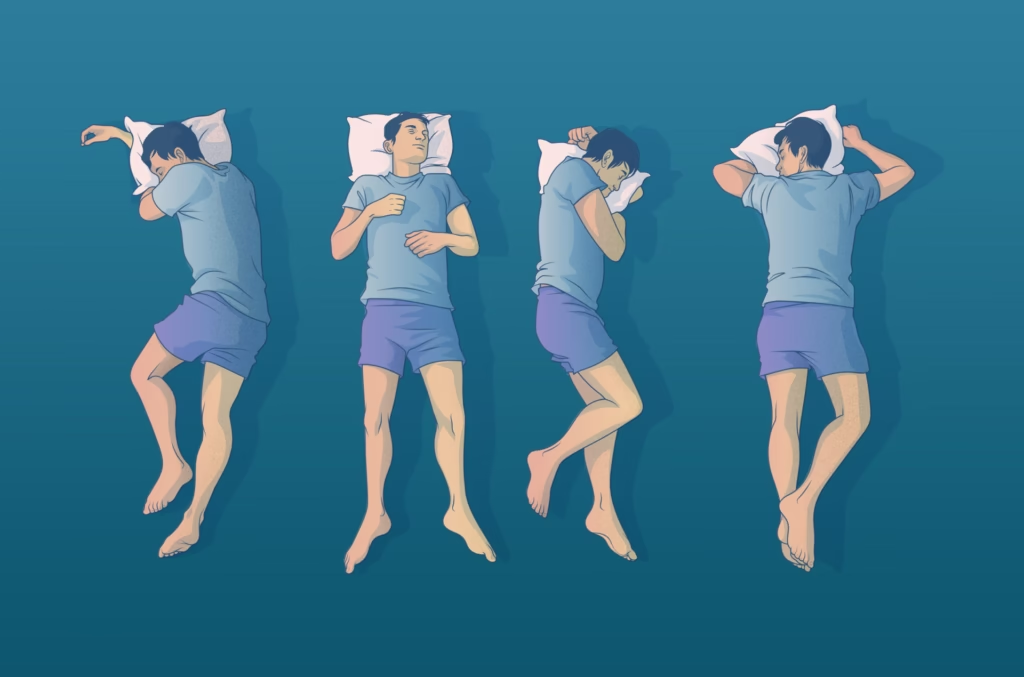
Deep Sleep Techniques: Better Sleep Naturally & Fast
Optimizing Your Bedroom Temperature and Lighting
Your bedroom’s temperature plays a huge role in how well you sleep. Your body naturally drops in temperature as you prepare for sleep, and you can help this process by keeping your room between 60-67°F (15-19°C). This might feel cool during the day, but it’s perfect for triggering your body’s sleep signals. If you’re always adjusting your thermostat, consider a programmable option that automatically lowers the temperature an hour before bedtime.
Lighting control is equally important for deep sleep techniques. Your brain produces melatonin when it’s dark, so blackout curtains or blinds are your best friends. Even small lights from electronics can disrupt this process. If complete darkness feels uncomfortable, try a dim red night light – red wavelengths don’t interfere with melatonin production like blue or white light does.
During the day, expose yourself to bright natural light, especially in the morning. This helps regulate your circadian rhythm and makes it easier to fall asleep at night. If you work in a dim office, consider a light therapy lamp for the first hour of your workday.
Choosing Sleep-Promoting Colors and Textures
The colors surrounding you while you sleep affect your mind’s ability to relax. Cool, muted tones work best – think soft blues, gentle greens, warm grays, and creamy whites. These colors naturally calm your nervous system and support healthy sleep habits. Avoid bright reds, oranges, or vibrant yellows in your bedroom, as these energizing colors can keep your brain alert.
Your bedding textures matter too. Natural fabrics like cotton, bamboo, or linen allow your skin to breathe and help regulate body temperature throughout the night. Bamboo sheets are particularly good if you tend to sleep hot, while flannel works well for those who get cold easily.
Pay attention to thread count – anything between 200-400 provides the sweet spot of comfort and breathability. Higher thread counts might feel luxurious, but they can trap heat and make you uncomfortable during the night.
Eliminating Noise and Electronic Distractions
Sudden noises can wake you up even when you don’t remember it happening, fragmenting your sleep cycles. If you can’t control external sounds like traffic or neighbors, white noise or earplugs can help. A consistent, gentle sound masks those disruptive noises that would otherwise pull you from deep sleep.
Your electronics are probably the biggest sleep disruptors in your bedroom. The blue light from phones, tablets, and TVs tricks your brain into thinking it’s daytime. Create a charging station outside your bedroom, or at minimum, put devices in airplane mode and place them face-down across the room.
If you use your phone as an alarm, switch to a dedicated alarm clock instead. This removes the temptation to check messages or scroll through apps when you should be winding down or if you wake up during the night. 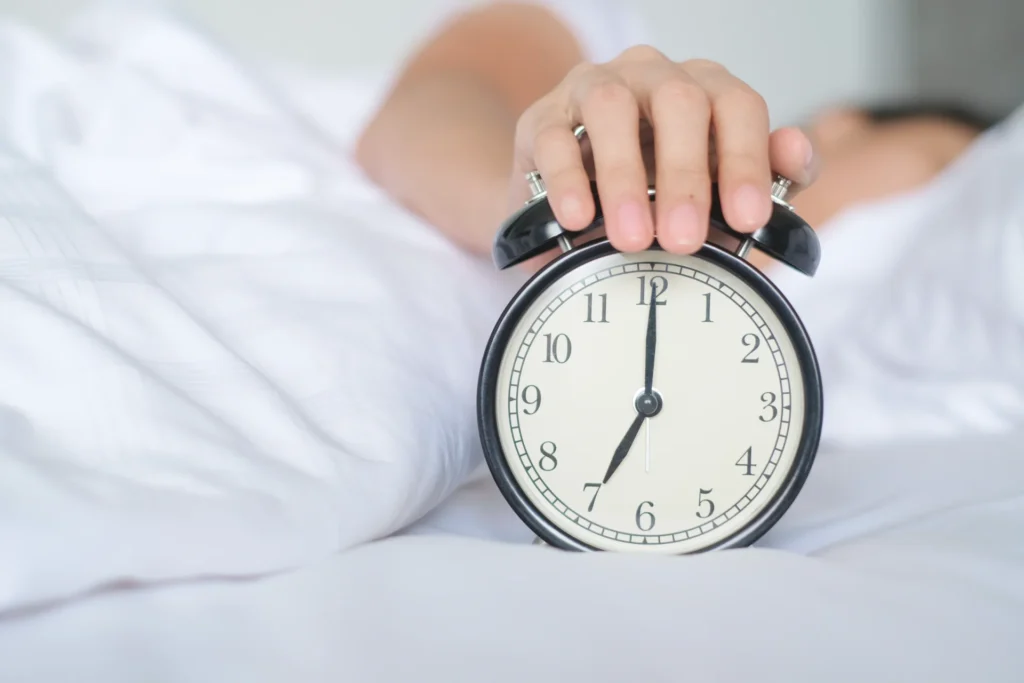
Selecting the Right Mattress and Pillow Setup
Your mattress should support your body’s natural alignment while relieving pressure points. Side sleepers usually need a softer mattress that contours to their hips and shoulders, while back and stomach sleepers often prefer firmer support. If your mattress is over 7-8 years old or you wake up with aches, it’s probably time for a replacement.
Don’t overlook your pillow situation – the right pillow keeps your neck and spine aligned. Side sleepers need a thicker pillow to fill the space between their shoulder and neck, while back sleepers do better with medium support, and stomach sleepers should use thin pillows or none at all.
Consider your partner’s sleep needs too. If you have different preferences for firmness or are bothered by each other’s movements, a mattress with good motion isolation or even separate mattresses can improve both of your sleep quality. These natural ways to improve sleep quality through your physical environment create the foundation for better rest every single night.
Progressive Muscle Relaxation Methods
Progressive muscle relaxation is one of the most effective deep sleep techniques you can master to calm your body before bedtime. This method works by systematically tensing and releasing different muscle groups, helping your body recognize the difference between tension and relaxation. When you practice this technique regularly, you’ll find yourself naturally winding down for better sleep quality.
Start with your toes and work your way up through your entire body. Clench your toes tightly for five seconds, then release and feel the tension melt away. Move to your calves, thighs, buttocks, abdomen, hands, arms, shoulders, and finally your facial muscles. The key is to hold each muscle group in tension for about five seconds before letting go completely.
Your breathing should remain steady throughout the process. Don’t hold your breath while tensing muscles – this creates additional stress rather than promoting relaxation. Instead, breathe normally and focus on the contrast between the tight, uncomfortable feeling of tension and the pleasant sensation of release.
Practice this technique consistently for about 15-20 minutes before bedtime. Many people find that progressive muscle relaxation becomes more effective over time as your body learns to associate the practice with sleep preparation. You can even create a mental checklist of muscle groups to ensure you don’t skip any areas where you typically hold stress.
Deep Breathing Exercises That Calm Your Mind
Your breath is a powerful tool for triggering your body’s relaxation response and preparing for restful sleep. Deep breathing exercises activate your parasympathetic nervous system, which signals to your body that it’s time to rest and recover. These natural ways to improve sleep work by slowing your heart rate and reducing cortisol levels.
The 4-7-8 breathing technique is particularly effective for bedtime relaxation. Inhale through your nose for four counts, hold your breath for seven counts, then exhale completely through your mouth for eight counts. This pattern forces you to slow down your breathing rate and creates a meditative state that promotes sleepiness.
Box breathing offers another excellent option for calming your mind before sleep. Visualize drawing a square as you breathe: inhale for four counts (drawing the first side), hold for four counts (second side), exhale for four counts (third side), and hold empty for four counts (fourth side). Repeat this cycle 4-8 times while lying comfortably in bed.
Diaphragmatic breathing, also known as belly breathing, helps you engage your body’s natural relaxation mechanisms. Place one hand on your chest and another on your belly. Breathe slowly and deeply, ensuring that the hand on your belly rises more than the one on your chest. This type of breathing reduces anxiety and prepares your nervous system for sleep.
Try combining gentle counting with your breath work. Count backwards from 100 with each exhale, allowing your mind to focus on the numbers rather than racing thoughts that might keep you awake.
Visualization Techniques for Peaceful Sleep
Mental imagery can transport your mind away from daily stresses and create a peaceful mental space conducive to sleep. Visualization techniques tap into your imagination to create calming scenarios that help quiet your thoughts and prepare your body for rest. These healthy sleep habits become more powerful with regular practice.
Create a detailed mental sanctuary where you feel completely safe and relaxed. This might be a quiet beach with gentle waves, a cozy cabin in the woods, or a peaceful garden. Engage all your senses in this visualization: hear the sounds, feel the temperature and textures, smell the scents, and see the colors and lighting. The more vivid and detailed your mental image, the more effectively it will calm your nervous system.
Body scan visualization combines mindfulness with relaxation by mentally traveling through your body from head to toe. Imagine a warm, golden light starting at the top of your head and slowly moving down through each part of your body. As this light passes through each area, visualize tension dissolving and muscles becoming heavy and relaxed.
Progressive relaxation imagery involves visualizing yourself in increasingly peaceful scenarios. Start by imagining yourself in your bedroom, then expand to see yourself floating on a cloud, drifting down a calm river, or sinking into a warm, comfortable bath. Allow each image to become more serene and distant from your daily concerns.
Counting sheep gets a modern upgrade with visualization. Instead of simply counting, create detailed images of each sheep: their fluffy white wool, the green meadow they’re jumping over, the gentle breeze in the countryside. This enhanced visualization keeps your mind engaged with peaceful imagery rather than allowing it to wander to stressful thoughts.
Memory palace technique involves mentally walking through a familiar, comfortable place like your childhood home or favorite vacation spot. Move slowly through each room or area, remembering pleasant details and positive emotions associated with these spaces.
Sleep-Promoting Foods to Include in Your Diet
Your dinner plate can be your secret weapon for achieving deep sleep techniques naturally. Certain foods contain compounds that actively promote better sleep by boosting melatonin production, increasing serotonin levels, or providing essential nutrients that support your body’s natural sleep cycle.
Tart cherries top the list as one of the best foods for good sleep. They’re naturally rich in melatonin, the hormone that regulates your sleep-wake cycle. Having a handful of tart cherries or a small glass of tart cherry juice about an hour before bedtime can significantly improve your sleep quality.
Complex carbohydrates like oatmeal, quinoa, and sweet potatoes help your brain produce more serotonin, which converts to melatonin. These foods also provide steady energy without causing blood sugar spikes that might disrupt your sleep later. Pair them with protein sources like turkey, which contains tryptophan – the amino acid famous for making you drowsy after Thanksgiving dinner.
Fatty fish such as salmon, mackerel, and sardines are packed with omega-3 fatty acids and vitamin D. Research shows that people who eat fish regularly tend to fall asleep faster and experience deeper sleep phases. The combination of healthy fats and vitamin D helps regulate serotonin production.
Nuts and seeds, particularly almonds, walnuts, and pumpkin seeds, provide magnesium – a mineral that acts as a natural muscle relaxant. Magnesium deficiency is linked to insomnia and restless sleep, so incorporating these into your evening snack can make a real difference.
Timing Your Meals for Better Sleep
When you eat matters just as much as what you eat when it comes to healthy sleep habits. Your digestive system follows its own circadian rhythm, and eating at the wrong times can throw off your entire sleep schedule.
Stop eating large meals at least 3-4 hours before bedtime. Your body needs time to digest food properly, and lying down with a full stomach often leads to acid reflux and discomfort that keeps you tossing and turning. If you must eat close to bedtime, keep it light and small.
Your largest meal should be lunch, not dinner. This aligns with your body’s natural metabolism, which slows down in the evening as it prepares for rest. Eating your biggest meal at midday gives your body plenty of time to process the food and use the energy.
If you get hungry before bed, choose a small snack that combines complex carbohydrates with a small amount of protein. A banana with almond butter or a small bowl of oatmeal with berries works perfectly. These combinations help stabilize blood sugar throughout the night.
Natural Sleep-Inducing Drinks and Supplements
The right bedtime beverage can become part of your natural ways to improve sleep routine. Chamomile tea is probably the most well-known sleep aid, and for good reason. This gentle herb contains apigenin, an antioxidant that binds to brain receptors and promotes sleepiness.
Passionflower tea is another powerful option that’s particularly helpful if anxiety keeps you awake. Studies show it can increase levels of GABA (gamma-aminobutyric acid) in your brain, which helps quiet mental chatter and promotes relaxation.
Warm milk isn’t just an old wives’ tale – it actually contains tryptophan and calcium, both of which support better sleep. The warmth also has a soothing psychological effect that signals to your body that it’s time to wind down.
For supplements, magnesium glycinate is gentle on your stomach and highly absorbable. Start with 200-400mg about an hour before bed. Melatonin should be used sparingly and at low doses (0.5-3mg) – more isn’t always better with this hormone.
L-theanine, an amino acid found in green tea, promotes relaxation without drowsiness during the day but can help ease you into sleep when taken in higher doses (200-400mg) before bed.
Foods and Beverages to Avoid Before Bedtime
Some foods and drinks can sabotage your sleep efforts, even if you consume them hours before bedtime. Knowing what to avoid is just as important as knowing what to include in your evening routine.
Caffeine is the obvious culprit, but you might be surprised by how long it stays in your system. Stop all caffeine intake after 2 PM if you’re sensitive, or by noon if you have trouble sleeping. Remember that caffeine hides in chocolate, some medications, and even decaffeinated coffee (which still contains small amounts).
Alcohol might make you feel drowsy initially, but it severely disrupts your sleep cycles later in the night. It prevents you from reaching deep sleep stages and causes frequent wake-ups. If you choose to drink alcohol, stop at least 3 hours before bedtime.
Spicy foods can cause heartburn and raise your body temperature, both of which interfere with sleep. Your core body temperature naturally drops as you prepare for sleep, so spicy foods work against this natural process.
High-fat and greasy foods take significant energy to digest and can cause stomach discomfort when you’re lying down. Skip the pizza, fried foods, and heavy cream-based dishes in the evening.
Sugary foods and refined carbs cause blood sugar spikes followed by crashes that can wake you up in the middle of the night. Your body might interpret these blood sugar fluctuations as a reason to wake up and seek more fuel.
Creating a Wind-Down Ritual That Signals Sleep Time
Your brain needs clear signals that bedtime is approaching, and building a consistent wind-down ritual is one of the most powerful deep sleep techniques you can implement. This personal routine acts as a bridge between your active day and restful night, preparing both your mind and body for quality sleep.
Start your wind-down ritual 30-60 minutes before your intended bedtime. This timeframe gives your nervous system enough space to shift from alertness to relaxation. Begin by dimming the lights throughout your home – bright lighting tricks your brain into thinking it’s still daytime and suppresses melatonin production.
Your ritual might include taking a warm bath or shower, which naturally lowers your body temperature afterward and signals sleep readiness. Follow this with gentle stretching, reading a few pages of a calming book, or practicing light meditation. The key is choosing activities that feel soothing rather than stimulating.
Avoid screens during this window, as blue light disrupts your circadian rhythm. If you must use devices, install blue light filters or wear blue light blocking glasses. Instead, try journaling about three things you’re grateful for or tomorrow’s priorities – this helps clear mental clutter that often keeps people awake.
Setting Regular Sleep and Wake Times
Your body thrives on predictability, and maintaining consistent sleep and wake times is among the most effective natural ways to improve sleep quality. Your internal clock, or circadian rhythm, depends on these regular patterns to function optimally.
Choose a bedtime and wake time that allows for 7-9 hours of sleep, then stick to these times every single day – yes, even on weekends. This consistency reinforces your body’s natural sleep-wake cycle and makes falling asleep easier over time.
If you’re currently going to bed very late, don’t try to shift your schedule by several hours overnight. Instead, gradually adjust your bedtime by 15-30 minutes earlier each night until you reach your target time. This gentle approach prevents the shock to your system that comes with dramatic schedule changes.
Track your sleep patterns for a week or two to identify your natural tendencies. Some people are naturally early risers, while others function better with slightly later schedules. Work with your natural preferences rather than against them, but maintain that consistency once you find your rhythm.
Morning Habits That Support Better Evening Sleep
What you do in the morning directly impacts how well you sleep that night. Your morning routine sets the stage for healthy sleep habits throughout the entire day.
Get sunlight exposure within the first hour of waking up. This natural light exposure helps regulate your circadian rhythm and ensures your body knows it’s time to be alert. Even on cloudy days, outdoor light is significantly brighter than indoor lighting. Spend at least 10-15 minutes outside, or sit by a bright window while having your morning coffee.
Avoid hitting the snooze button repeatedly. This habit fragments your sleep and leaves you feeling groggier than if you’d simply gotten up at the first alarm. Instead, place your alarm across the room so you must physically get up to turn it off.
Establish a consistent morning routine that includes some form of physical movement. This doesn’t need to be intense exercise – gentle stretching, a short walk, or basic yoga poses work well. Movement helps your body recognize that it’s time to be active and alert.
Weekend Sleep Strategies That Don’t Disrupt Your Schedule
Weekends present unique challenges for maintaining healthy sleep patterns. While you might feel tempted to drastically alter your sleep schedule, dramatic changes can disrupt your carefully established routine.
Limit “sleep-ins” to no more than one hour past your regular wake time. While catching up on sleep might feel good temporarily, sleeping until noon on Saturday can make it nearly impossible to fall asleep at your regular bedtime that night.
If you’ve had a particularly demanding week, consider taking a short afternoon nap rather than sleeping in. Keep naps between 20-30 minutes and complete them before 3 PM to avoid interference with nighttime sleep.
Plan weekend activities that support rather than sabotage your sleep goals. Late-night social events occasionally are fine, but try to maintain your wind-down ritual even when you’re staying up later than usual. You can start the routine later while keeping the same sequence of calming activities.
When you do have late nights, resist the urge to sleep in drastically the next morning. Instead, maintain your regular wake time and allow yourself to go to bed slightly earlier the following evening if needed. This approach helps preserve the consistent schedule that supports long-term sleep quality.
Remember that building these routines takes time and patience. Start with small changes and gradually build up to a complete bedtime routine that works for your lifestyle and preferences.
Exercise Timing for Optimal Sleep Benefits
Your workout schedule plays a crucial role in determining how well you sleep at night. The timing of your physical activity can either boost your ability to fall into deep sleep or keep you tossing and turning for hours.
Morning and afternoon exercise sessions work best for improving your sleep quality. When you exercise early in the day, you’re setting yourself up for better rest later. Your body temperature rises during exercise and gradually cools down over the following hours, which naturally signals your brain that it’s time to wind down as evening approaches.
Avoid intense workouts within three to four hours of your bedtime. High-intensity exercise late in the evening can leave your nervous system overstimulated and your core body temperature elevated. This creates the opposite effect of what your body needs to prepare for sleep. Your heart rate stays elevated, stress hormones like cortisol remain high, and your body struggles to shift into rest mode.
If you can only exercise in the evening due to your schedule, stick to gentle activities like yoga, stretching, or light walking. These natural ways to improve sleep actually help your body relax rather than rev up. A 20-minute evening yoga session can lower your stress levels and prepare your muscles for rest.
Consistency matters more than perfection when it comes to exercise timing. Pick a schedule you can maintain long-term, and your body will adapt to this rhythm. Regular physical activity, regardless of timing, improves your overall sleep architecture and helps you spend more time in the restorative deep sleep phases your body needs.
Managing Screen Time and Blue Light Exposure
Your devices are secretly sabotaging your sleep, and you might not even realize it. The blue light emitted by phones, tablets, laptops, and televisions disrupts your body’s natural production of melatonin, the hormone that makes you feel drowsy and ready for sleep.
Create a digital sunset in your home by powering down all screens at least one hour before bedtime. This simple change allows your melatonin levels to rise naturally, making it easier to fall asleep and achieve deeper, more restorative sleep cycles.
If you absolutely must use devices in the evening, invest in blue light blocking glasses or enable night mode settings on your devices. These filters reduce the amount of sleep-disrupting blue light reaching your eyes. However, remember that these are band-aid solutions – the best approach is still to avoid screens altogether before bed.
Replace your evening screen time with activities that promote relaxation. Read a physical book, practice gentle stretches, write in a journal, or listen to calming music. These alternatives help your mind unwind naturally without the stimulating effects of digital content.
Pay attention to the lighting in your bedroom and throughout your home in the evening. Dim the lights as bedtime approaches, and consider using warm-toned bulbs or lamps instead of bright overhead lighting. This gradual reduction in light exposure mimics the natural sunset and reinforces your body’s circadian rhythm.
Stress Management Techniques for Restful Sleep
Stress and anxiety are among the biggest enemies of quality sleep. When your mind races with worries about tomorrow’s meeting or replays today’s conversations, your body can’t shift into the calm state needed for deep sleep techniques to work effectively.
Start with progressive muscle relaxation, a powerful technique that helps release physical tension while calming your mind. Lie in bed and systematically tense and then relax each muscle group, starting from your toes and working up to your head. Spend about five seconds tensing each area, then release and notice the contrast. This practice helps you become aware of where you hold stress in your body and teaches you how to let it go.
Breathing exercises can quickly activate your body’s relaxation response. Try the 4-7-8 technique: breathe in through your nose for four counts, hold your breath for seven counts, then exhale slowly through your mouth for eight counts. Repeat this cycle three to four times. This pattern helps slow your heart rate and signals to your nervous system that it’s safe to rest.
Keep a worry journal on your nightstand. When anxious thoughts creep in at bedtime, write them down along with any potential solutions or action steps for tomorrow. This brain dump technique prevents your mind from cycling through the same concerns repeatedly and gives you permission to let go of them for the night.
Develop a mental boundary between your day and your sleep time. Create a simple ritual that signals the transition, such as changing into comfortable sleepwear, dimming the lights, or saying a brief gratitude statement. These healthy sleep habits train your brain to recognize when it’s time to shift from active thinking to rest mode.
Consider meditation or mindfulness practices as part of your evening routine. Even five minutes of focused breathing or guided meditation can significantly reduce stress hormones and prepare your mind for restorative sleep.
Quality sleep doesn’t have to remain elusive when you understand what your body needs to reach those restorative deep sleep phases. By combining the right environment with natural relaxation methods, smart dietary choices, and consistent routines, you’re giving yourself the best shot at waking up refreshed and energized. The physical activities and lifestyle tweaks we’ve covered aren’t just temporary fixes – they’re sustainable changes that work with your body’s natural rhythms.
Your journey to better sleep starts tonight. Pick one or two techniques that resonate with you most and commit to trying them for at least a week. Whether it’s dimming those screens earlier, adding some chamomile tea to your evening routine, or finally investing in blackout curtains, small steps lead to big improvements in how you feel each morning. Your body knows how to sleep deeply – sometimes it just needs the right conditions to do what it does best.
FAQ: Deep Sleep Techniques.
Q1: How can I know if I’m getting enough deep sleep?
You wake up refreshed, energetic, and mentally alert. Sleep trackers or smartwatches can also estimate your sleep stages.
Q2: What foods help with deep sleep?
Bananas, almonds, walnuts, warm milk, and herbal teas like chamomile and lavender tea are great sleep aids.
Q3: Can exercise improve deep sleep?
Yes, regular exercise promotes deeper sleep. Just avoid vigorous activity close to bedtime.
Q4: How long should a bedtime routine last?
Around 20–30 minutes is enough to calm your body and mind.
final Thoughts
Improving deep sleep is not about drastic changes — it’s about building small, consistent habits. By maintaining a routine, creating a restful environment, and practicing relaxation techniques, you can experience the true benefits of deep sleep: better health, more energy, and a sharper mind.