Interior Designers: Transform Your Home & Office 2026
Interior Designers – Transform Your Home and Office with Creativity and Innovation

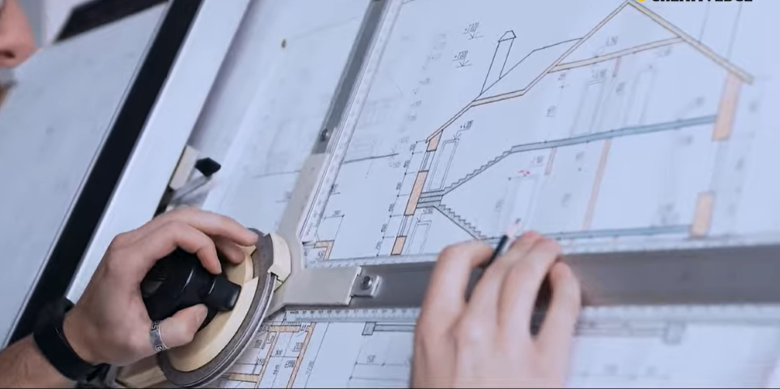
Interior designers are professionals who turn ordinary spaces into extraordinary environments. They don’t just pick furniture or colors—they blend aesthetics, functionality, and modern technology to create spaces that reflect personality, lifestyle, and purpose.
From compact city apartments to luxurious villas, the role of interior designers has expanded to include smart solutions, sustainable materials, and trend integration.
The Role of Interior Designers in Modern Spaces
Interior designers are more than decorators—they are space planners, problem solvers, and trend interpreters. Their work involves transforming empty or outdated spaces into functional, visually appealing, and personalized environments.
| Task | Purpose | Example |
|---|---|---|
| Space Planning | Maximize functionality and comfort | Transforming a small studio into a living + office space |
| Lighting Design | Enhance mood, efficiency, and aesthetics | Layered lighting using chandeliers, task lights, and ambient lamps |
| Material Selection | Choose eco-friendly, durable, and visually appealing materials | Bamboo flooring, cork panels, and low-VOC paints |
| Budget Management | Achieve high-quality results without overspending | Suggesting smart alternatives for expensive décor items |
| Trend Integration | Incorporate modern aesthetics and technology | Smart home systems, indoor plants, and bold accent walls |
Pro Tip: Skilled designers balance beauty, functionality, and cost-effectiveness, ensuring every space is optimized.
Problem-Solving in Interior Design
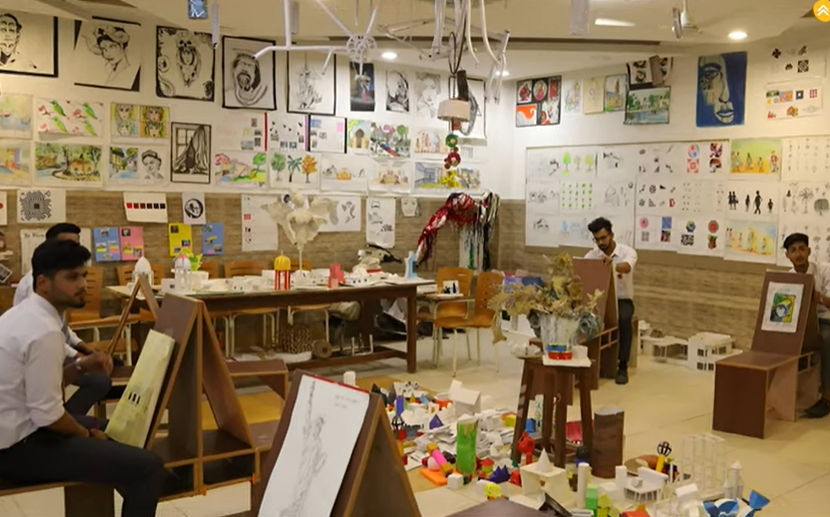
Interior designers are problem solvers. They analyze space, lighting, furniture, and client needs to create solutions that are practical and stylish. refers to the ability of interior designers to identify challenges within a space and develop practical, creative solutions. These challenges may include limited space, poor lighting, budget constraints, or specific client requirements.
A skilled interior designer focuses not only on aesthetics but also on functionality and comfort. By analyzing layout, materials, and usage, designers optimize spaces to make them more efficient and user-friendly. This process combines creative thinking, technical knowledge, and experience to deliver balanced and effective design solutions.
Common Challenges and Solutions
| Problem | Designer’s Solution | Example |
|---|---|---|
| Small Space | Modular furniture, mirrors, vertical storage | 350 sq. ft apartment with foldable bed + desk combo |
| Poor Lighting | Layered lighting, reflective surfaces, skylights | Living room improved by LED fixtures and mirrors |
| Multi-Purpose Rooms | Flexible layouts with movable partitions | Home office that converts into a guest room |
| Budget Constraints | Affordable materials and DIY décor | Wooden pallets as coffee tables or shelves |
| Style Conflicts | Harmonized color palettes and cohesive décor | Combining modern and vintage furniture in one space |
Tip: Even simple solutions like floating shelves or under-bed storage can dramatically improve usability.
Trending Interior Design Ideas for 2026

Design trends evolve, and interior designers are constantly innovating. Here are some top trends for 2026. focus on creating spaces that are smart, sustainable, and highly personalized. In 2026, interior designers are emphasizing eco-friendly materials, energy-efficient solutions, and designs that support modern lifestyles. Smart home technology, such as automated lighting and climate control, is becoming a standard feature rather than a luxury.
Natural elements like indoor plants, stone textures, and wooden finishes are being widely used to bring a sense of calm and connection with nature. Additionally, flexible layouts and multifunctional furniture are trending, allowing spaces to adapt easily to changing needs while maintaining a modern and stylish appearance.
-
Sustainable Materials – Bamboo, cork, recycled wood, and eco-friendly paints
-
Smart Homes – IoT devices for lights, security, and climate control
-
Biophilic Design – Indoor plants, living walls, and natural textures
-
Minimalist Luxury – Clean lines, decluttered spaces, high-quality statement pieces
-
Bold Accent Colors – Vibrant hues for walls, furniture, or décor
-
Acoustic Design – Soundproofing for home offices and entertainment rooms
Innovative Techniques Used by Designers
-
3D Visualization & Augmented Reality: Clients can virtually walk through their redesigned space
-
Custom Modular Furniture: Flexible for evolving spaces and multifunctional rooms
-
Smart Storage Solutions: Hidden cabinets, multifunctional furniture, vertical storage
-
Layered Lighting Techniques: Ambient, task, and accent lighting for mood and functionality
- Example: Using smart mirrors with built-in lighting and storage combines technology with space-saving design.
How to Choose the Right Interior Designer
Selecting the right designer is critical for successful results. The wrong choice can lead to overspending, delays, or dissatisfaction.
How to Choose the Right Interior Designer is an important step in achieving a successful and stress-free design project. The right interior designer understands your lifestyle, budget, and vision, and turns them into a practical design plan.
It is essential to review the designer’s portfolio to ensure their style matches your expectations. Clear communication, transparency in pricing, and problem-solving ability are also key factors to consider. A professional interior designer not only enhances the beauty of your space but also ensures functionality, efficiency, and long-term value.
Key Factors
| Factor | Why It Matters | Tip |
|---|---|---|
| Portfolio | Shows style, skills, and past work | Review projects similar to your space type |
| Testimonials | Real client feedback | Look for problem-solving skills and professionalism |
| Communication | Ensures your vision is understood | Choose a designer who listens and explains clearly |
| Budget Transparency | Prevents unexpected costs | Get a detailed estimate with alternatives |
| Innovation | Uses latest trends and technology | Check if they suggest smart solutions and modern materials |
Red Flags to Avoid
-
No formal contract or clear estimate
-
Over-reliance on trends without functional solutions
-
Poor communication or missed deadlines
Common Interior Design Mistakes and How to Avoid Them
| Mistake | Designer’s Fix |
|---|---|
| Overcrowding the space | Use space planning and multi-functional furniture |
| Poor lighting | Layered lighting, skylights, reflective surfaces |
| Ignoring functionality | Balance aesthetics with usability |
| Wrong color schemes | Test samples and consider natural light |
| Skipping professional advice | Consult experts for ventilation, electrical, and ergonomics |
Example: Choosing a large sofa that blocks pathways can make a room feel cramped. Designers optimize furniture size for movement and proportion.
Step-by-Step Tips for a Successful Interior Design Project
-
Define Your Goals: Understand the purpose of each space
-
Set a Budget: Include room for contingencies (5–10% extra)
-
Hire a Designer: Use portfolio and testimonials to choose
-
Plan Layouts: Collaborate on furniture arrangement and storage
-
Select Materials and Colors: Balance trends, aesthetics, and durability
-
Incorporate Technology: Smart lighting, thermostats, and security
-
Review Progress: Regular site visits and feedback
-
Finalize Details: Accessories, artwork, and plants for finishing touchesTip: Following these steps reduces stress, delays, and unexpected expenses.
Future of Interior Designing
The field of interior design is rapidly evolving:
-
AI-Assisted Design: Automated layouts based on room dimensions
-
3D-Printed Furniture and Décor: Customizable and eco-friendly
-
Energy-Efficient Homes: Solar-powered lighting and sustainable materials
-
Adaptive Smart Spaces: Rooms that change lighting, temperature, and ambience based on activity
- Insight: Future interior designers will combine technology, sustainability, and personalization to create spaces that are both beautiful and efficient.
Frequently Asked Questions (FAQs)
1. How much does hiring an interior designer cost?
Cost depends on project size, designer experience, and materials. On average, designers charge 5–15% of the total project cost, or hourly rates from $50–$200.
2. Can interior designers work within a small budget?
Yes! Experienced designers optimize resources using affordable materials, DIY décor, and smart planning. They prioritize essentials while maintaining style.
3. How long does a typical interior design project take?
Small projects (like a single room) can take 2–4 weeks, while full home renovations may take 3–6 months depending on complexity and approvals.
4. Do interior designers handle contractors and suppliers?
Yes, many designers coordinate with contractors, painters, carpenters, and suppliers to ensure smooth execution.
5. Can I combine modern and traditional design styles?
Absolutely. Designers can merge modern elements with vintage pieces to create a cohesive, personalized space.
Conclusion
Interior designers are more than decorators—they are creative problem solvers and trendsetters. From compact urban apartments to sprawling luxury homes, they ensure:
-
Optimal space utilization
-
Stylish, functional, and personalized interiors
-
Integration of modern technology and sustainability
-
Avoidance of costly mistakes
By hiring the right interior designer, staying aware of trends, and following professional guidance, any space can be transformed into a modern, comfortable, and visually stunning environment.