Kendrick Lamar Concerts, Tour & Halftime Secrets 2026
Kendrick Lamar Concert, Biography, Tour & Halftime Show Message Explained

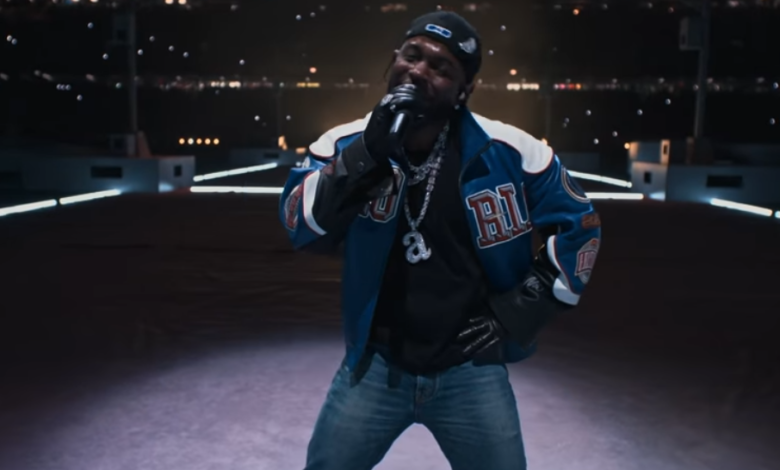
Kendrick Lamar is not just a rapper; he is widely considered one of the most influential artists of his generation. Whenever people search for a Kendrick Lamar concert, they are not only looking for a music event but also for a meaningful experience. His performances combine storytelling, emotion, and social commentary. Therefore, fans feel deeply connected to his music.
Although many rappers focus on fame and entertainment, Kendrick focuses on purpose. Because of this, his concerts, tours, and halftime performances often carry strong messages. Moreover, his lyrics talk about real life, struggles, identity, and culture. As a result, he has earned respect not only from fans but also from critics and historians of music.
So, in this detailed biography, you will learn about Kendrick Lamar’s life, career, concerts, tickets, halftime show message, and why his influence is so powerful.
Kendrick Lamar Biography Table
| Detail | Information |
|---|---|
| Full Name | Kendrick Lamar Duckworth |
| Stage Name | Kendrick Lamar |
| Date of Birth | June 17, 1987 |
| Age | 38 (as of 2025) |
| Birthplace | Compton, California, USA |
| Nationality | American |
| Profession | Rapper, Songwriter, Producer |
| Genres | Hip-hop, Conscious rap |
| Height | 5 ft 6 in (approx.) |
| Partner | Whitney Alford |
| Children | Yes |
| Net Worth | $90M+ (approx.) |
| Labels | Top Dawg, Aftermath, Interscope |
Early Life and Childhood
Kendrick Lamar was born and raised in Compton, California. This city is famous for hip-hop history; however, it is also known for crime and poverty. Therefore, Kendrick grew up seeing real-life struggles. Because his environment was challenging, music became his escape.
Although his family faced financial difficulties, his parents supported him. Meanwhile, Kendrick was a quiet and thoughtful child. He enjoyed writing and storytelling from a young age. When he watched Dr. Dre and Tupac filming a music video in Compton, he felt inspired. That moment, therefore, planted the seed for his future career.
Moreover, Kendrick was a good student. He paid attention to words and poetry. Because of this, his rap style later became lyrical and deep. His childhood experiences strongly shaped his music themes.
Family Background
Kendrick Lamar’s family background played a major role in shaping the person and artist he became. He was born to parents who had moved from Chicago to Compton in search of a better life. However, life in Compton came with its own challenges, including crime and financial struggles. Because his parents had already experienced hardship, they tried to guide Kendrick toward a safer path. Therefore, discipline and awareness were part of his upbringing from an early age.
Moreover, Kendrick has often mentioned how his mother and father influenced his mindset. His father, who once had connections to street life in his youth, wanted Kendrick to avoid the same mistakes. As a result, Kendrick grew up observing life carefully rather than jumping into trouble. Meanwhile, his mother encouraged honesty and responsibility. This balance at home helped him stay focused on school and creativity.
In addition, Kendrick’s lyrics sometimes reflect real conversations and experiences from his family life. Because he lived through those moments, his storytelling feels authentic. He does not rap about imaginary struggles; instead, he shares lived experiences. Therefore, listeners feel the truth in his words.
Even after becoming famous, Kendrick remains connected to his roots. He often credits his family for keeping him grounded. Although fame can change people, Kendrick’s respect for family values remains strong. This deep connection to his background is one reason his music feels real and emotionally powerful.
Start of Music Journey
Kendrick started rapping as a teenager. Initially, he released music under the name K-Dot. Although he was young, his lyrics showed maturity. Therefore, local communities noticed his talent.
Soon, he released mixtapes. These projects gained underground attention. Because of consistent effort, he got noticed by Top Dawg Entertainment. That signing changed his life. However, success did not come instantly. He continued working hard and improving his craft.
Meanwhile, he focused on storytelling rap instead of party songs. As a result, he built a unique identity. His music felt real and thoughtful. Therefore, fans who wanted meaningful hip-hop started following him.
Breakthrough and Rise to Fame
Kendrick’s big breakthrough came with the album good kid, m.A.A.d city. This project told a story about growing up in Compton. Although it was a rap album, it felt like a movie. Therefore, critics praised it heavily.
Moreover, songs like Swimming Pools and B***, Don’t Kill My Vibe* became hits. Because the album was personal and honest, listeners connected emotionally. As a result, Kendrick became a major name in hip-hop.
Later albums like To Pimp a Butterfly and DAMN. proved his greatness. He mixed jazz, funk, and deep lyrics. Therefore, he stood apart from mainstream rap. In fact, he even won a Pulitzer Prize for music. This achievement showed his cultural importance.
Kendrick Lamar Concert Experience
A Kendrick Lamar concert is very different from a typical rap show. Although many artists rely on visuals, Kendrick relies on presence and storytelling. Therefore, his performances feel powerful.
When he performs, the crowd listens carefully. Meanwhile, the energy builds with every track. Because his lyrics carry meaning, fans sing along passionately.
Moreover, Kendrick often uses stage design to match his message. For example, lighting and visuals reflect the mood of songs. As a result, concerts feel like art performances, not just music events.
Kendrick Lamar Halftime Show
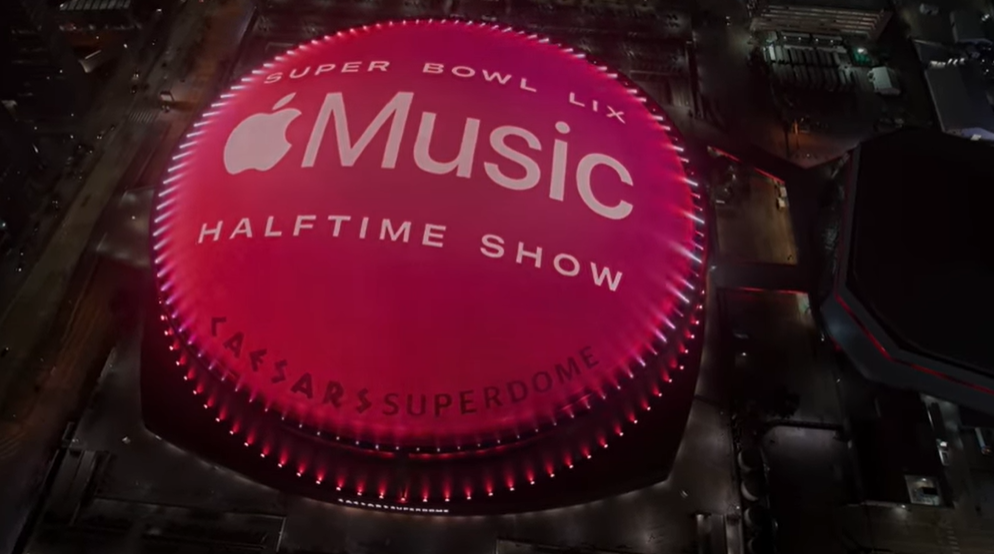
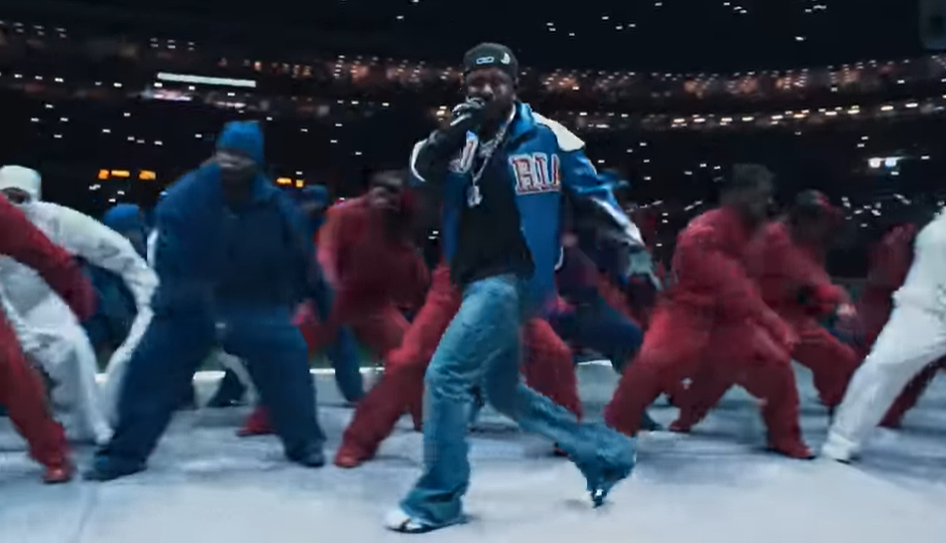
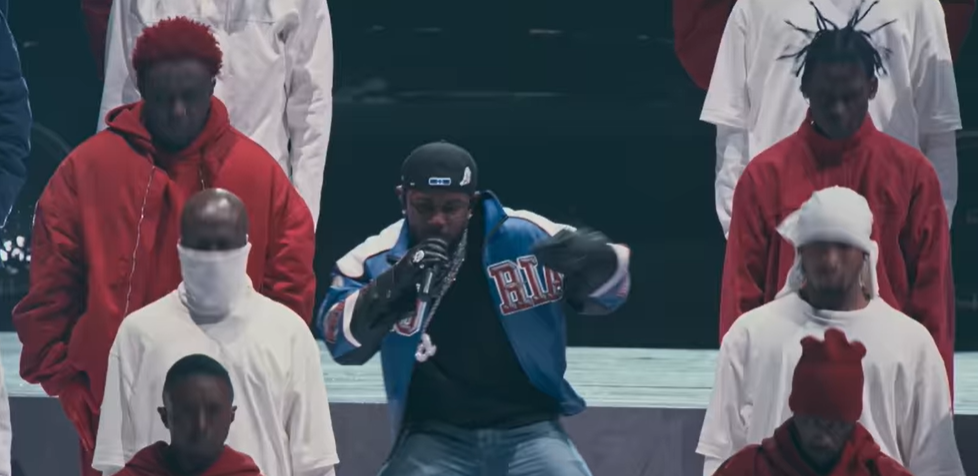
Kendrick Lamar’s Super Bowl Halftime Show at Super Bowl LIX in 2025 was one of the most talked-about performances in the history of the event, blending music, storytelling, symbolism, and cultural commentary on a global stage. Unlike typical halftime performances focused on pure spectacle, Lamar used the platform to express artistic depth and social reflection. He opened with a dramatic entrance atop a vintage 1987 Buick Grand National, tying his personal narrative and Los Angeles hip-hop roots to a visual motif that echoed throughout the show.
Throughout the roughly 13-minute set, Lamar performed a medley of his songs, including Squabble Up, HUMBLE, DNA., Euphoria, man down garden, and peekaboo, as well as collaborative moments with SZA on tracks like Luther and All the Stars, and a closing with TV OFF alongside DJ Mustard. The performance also featured actor Samuel L. Jackson dressed as Uncle Sam, adding a theatrical layer that symbolized American authority and societal expectations—at one point interrupting Lamar with lines like “Too loud! Too reckless! Too ghetto!” to metaphorically address how Black art is policed and misunderstood in mainstream culture.
One of the most talked-about moments was Lamar’s inclusion of his Grammy-winning diss track Not Like Us, which served both as a nod to his ongoing feud with Drake and as a statement on authenticity, cultural ownership, and artistic rivalry. The choreography and dancers, clad in patriotic colors and assembled into imagery resembling the American flag, were widely interpreted as visual commentary on how Black culture has shaped America yet often remains marginalized.
Furthermore, hidden symbolic elements—such as references to Gil Scott-Heron’s poem The Revolution Will Not Be Televised and imagery echoing mass incarceration and systemic struggle—added layers of political and historical significance to the performance, making it feel less like a traditional halftime show and more like a cultural statement meant to spark conversation.
While some viewers praised the show for its creativity and cultural depth, others criticized aspects like sound balance and production choices, demonstrating how divisive and conversation-driven the performance became. Despite mixed reactions, Kendrick Lamar’s halftime show set a record in viewership and cemented his place as an artist willing to push the boundaries of what a Super Bowl performance can say about identity, society, and the role of hip-hop in American culture.
Message Behind Kendrick Lamar Halftime Show
Many people ask about the message of Kendrick Lamar’s halftime performance. His part of the show reflected identity and social awareness. Because Kendrick often talks about community and struggle, his performance carried meaning.
Although it was entertainment, it also represented culture. Therefore, fans saw it as symbolic. His presence on that stage showed hip-hop’s global respect.
Popular Songs in Concerts
Kendrick often performs fan favorites. Songs like HUMBLE., DNA., and Alright bring loud reactions. Meanwhile, newer hits like Not Like Us also excite crowds.
Because these tracks mix beats and messages, they work well live. Therefore, fans leave concerts feeling energized.
Kendrick Lamar Tour and Gigs
Kendrick Lamar tours globally. However, he does not tour constantly. Because of this, demand becomes high. Whenever he announces a tour, tickets sell quickly.
Cities like Houston, Los Angeles, and New York often host his concerts. A Kendrick Lamar tour Houston stop usually attracts massive crowds. Therefore, fans should buy tickets early.
Official tour updates usually appear on verified ticket platforms. So, checking early helps avoid missing out.
How Much Are Kendrick Lamar Tickets?
Kendrick Lamar ticket prices can vary widely depending on the city, venue, seat type, and demand, especially for his 2025 Grand National Tour co-headlining with SZA. In general, you’ll see a broad range of options from relatively affordable entry-level tickets to premium VIP experiences, and prices can fluctuate as concerts sell out and dynamic pricing kicks in.
General Admission & Standard Tickets:
For many Kendrick Lamar concert dates, general admission and standard seats usually start around $75–$150 USD, depending on the location and how early you buy. In some markets, particularly on presale, lower-priced options are available at around this level, but they can sell out quickly.
Average Ticket Prices:
Across most 2025 tour stops in the U.S. and Europe, the average ticket price tends to be around $200–$300 USD, reflecting strong demand and the high profile of this tour.
Premium & VIP Tickets:
If you want a closer view or extra perks, premium seats and VIP packages can cost significantly more. Some VIP tickets have been listed over $900 USD, and premium seats near the stage can easily exceed standard pricing.
UK & Europe Pricing:
In the UK and Europe, standard tickets have ranged roughly from £75 to £571, depending on seating tier and venue, with standing and golden circle tickets typically at the higher end of that range.
Pricing Notes:
-
Ticket costs are affected by dynamic pricing, venue size, and how early you book.
-
VIP and floor sections often sell out first and cost more.
-
Prices can rise rapidly as shows sell out or demand increases closer to the concert date.
In summary, while you can sometimes find Kendrick Lamar tickets for under $100 if you act early or choose less-popular seating, most fans end up paying somewhere in the $200–$300 range, with premium options costing much more.
Personal Life and Lifestyle
Kendrick Lamar is known for being extremely private about his personal life, especially compared to many modern celebrities. Although he is one of the biggest rappers in the world, he does not constantly share his daily life on social media. Instead, he prefers a calm and grounded lifestyle. Because he grew up in Compton and saw real-life struggles, he values peace, family, and purpose more than fame. Therefore, he often chooses to stay away from unnecessary spotlight and drama.
Moreover, Kendrick has been in a long-term relationship with Whitney Alford, who he has known since his teenage years. Their relationship shows loyalty and stability, which is rare in the entertainment industry. He has also spoken about fatherhood and how becoming a parent changed his mindset. As a result, he focuses more on legacy and responsibility rather than just success.
Meanwhile, Kendrick enjoys a simple lifestyle despite his wealth. He is not known for showing off luxury cars or flashy jewelry all the time. Instead, he invests in meaningful projects and creative work. He also spends time reflecting, writing, and improving his artistry. Because of this thoughtful nature, his music feels deep and personal.
In addition, Kendrick values mental and spiritual growth. He has openly discussed self-reflection, discipline, and understanding life beyond fame. Therefore, many fans see him not only as a rapper but also as a thinker and role model. His lifestyle shows that success does not always mean being loud; sometimes it means being focused and intentional.
Net Worth and Luxury Life
Kendrick Lamar has built impressive wealth through years of dedication to music, touring, and smart business decisions. Although exact numbers change over time, his net worth is estimated in the tens of millions of dollars. However, what makes Kendrick different from many celebrities is how he treats money and fame. Instead of showing off luxury on social media, he maintains a relatively low-key lifestyle. Therefore, people often see him as humble despite his success.
Moreover, Kendrick earns from multiple income sources. His albums sell millions of copies, and his global tours generate huge revenue. In addition, brand partnerships and music streaming bring steady income. Because he releases quality music rather than frequent music, each project becomes a major event. As a result, his earning power stays strong even without constant releases.
Meanwhile, Kendrick has owned beautiful homes in California, yet he does not frequently display his properties online. He values privacy and comfort over attention. Similarly, although he can afford luxury cars and designer items, he is not known for extreme flaunting. This balanced lifestyle shows financial maturity.
Furthermore, Kendrick focuses on long-term impact. He invests in creative projects, culture, and community influence. Because of this mindset, his wealth supports his artistry instead of controlling it. Therefore, fans respect him not only as a rapper but also as a disciplined and wise public figure.
Conclusion
Kendrick Lamar’s journey from Compton to global fame is inspiring. Although his path was not easy, he stayed true to his voice. Therefore, he became one of the greatest rappers of his time.
His concerts, halftime shows, and music carry meaning. Because of this, fans respect him deeply. Kendrick Lamar is not just an entertainer—he is a storyteller and cultural voice.
FAQs
Is a Kendrick Lamar concert worth it?
Yes, fans say it is powerful and meaningful.
Where to buy Kendrick Lamar tickets?
Use official ticket platforms.
Does Kendrick Lamar tour often?
No, which increases demand.
What songs does he perform live?
Usually his biggest hits.
Are his shows family-friendly?
Mostly for mature audiences.