Michael Douglas Young: Early Life, Movies & Career 2026
Michael Douglas Young: Early Life, Career Journey and Hollywood Success

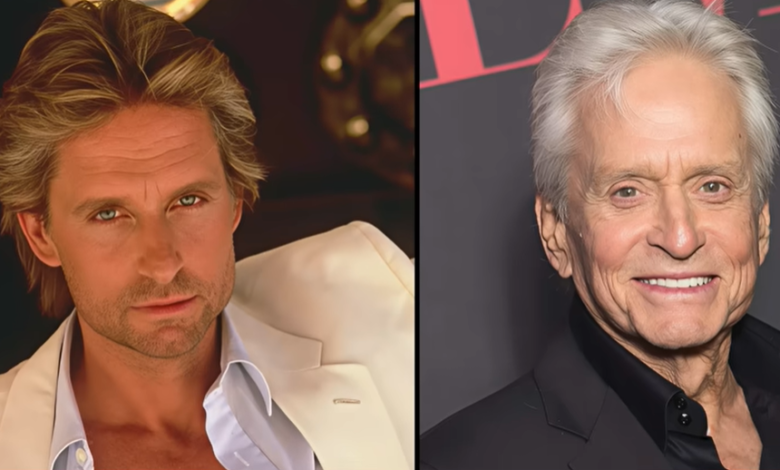
Michael Douglas is one of the most respected and successful actors in Hollywood. Many people today know him from famous films and major awards, but fans are often curious about michael douglas young years and how he started his journey in the film industry. The early life of Michael Douglas played a very important role in shaping his personality and career. Even though he was born into a famous Hollywood family, success did not come automatically to him. Instead, he worked very hard to prove that he had his own talent and abilities. His dedication to acting, producing films, and learning about the entertainment industry helped him build a strong reputation. The story of michael douglas young years shows how determination and passion can help someone achieve success in a very competitive industry like Hollywood.
Early Life and Family Background
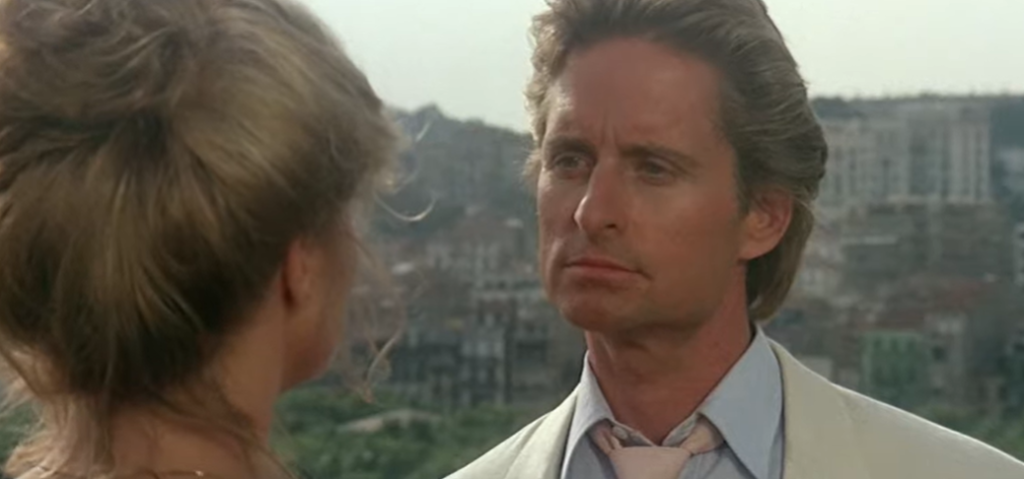
Michael Douglas was born on September 25, 1944, in New Brunswick, New Jersey, United States. He grew up in a family that was already connected to the film industry. His father was the legendary actor Kirk Douglas and his mother was actress Diana Dill. Because both of his parents were actors, Michael Douglas was introduced to the world of movies and acting at a very young age. During the michael douglas young years, he often visited movie sets and watched how films were made. This environment helped him develop a strong interest in acting and storytelling. However, growing up in a famous family also meant that many people expected him to follow in his father’s footsteps. Instead of relying on his father’s reputation, Michael Douglas wanted to build his own identity in Hollywood. His childhood experiences, family background, and exposure to filmmaking played an important role in shaping the future career of michael douglas young actor.
Childhood and Education
Education was an important part of the michael douglas young years. Even though he grew up in a Hollywood family, his parents believed that proper education was necessary for personal growth and success. Michael Douglas attended several well-known schools during his childhood. He studied at the Allen-Stevenson School in New York and later attended Eaglebrook School in Massachusetts. After that, he went to Choate Rosemary Hall, a prestigious boarding school in Connecticut. These schools helped him develop discipline, confidence, and communication skills. Later, Michael Douglas attended the University of California, Santa Barbara, where he studied drama and theater. During his university years, he began to take acting more seriously and learned the technical aspects of performance, stage presence, and storytelling. The education he received during the michael douglas young period helped him gain the knowledge and skills necessary to succeed in the entertainment industry.
Beginning of Michael Douglas Acting Career
The acting career of michael douglas young began in the late 1960s when he started appearing in television shows and small film roles. At that time, he was still learning how the entertainment industry worked and how to develop his acting skills. His early roles were not major blockbuster performances, but they gave him valuable experience and helped him understand the challenges of professional acting. One of his early film appearances was in the movie Hail, Hero!, where he received attention for his acting performance. Critics began to notice his talent and potential. The early stage of michael douglas young career was mainly about learning, improving his craft, and building connections within Hollywood. These experiences helped him prepare for bigger opportunities that would come later in his career.
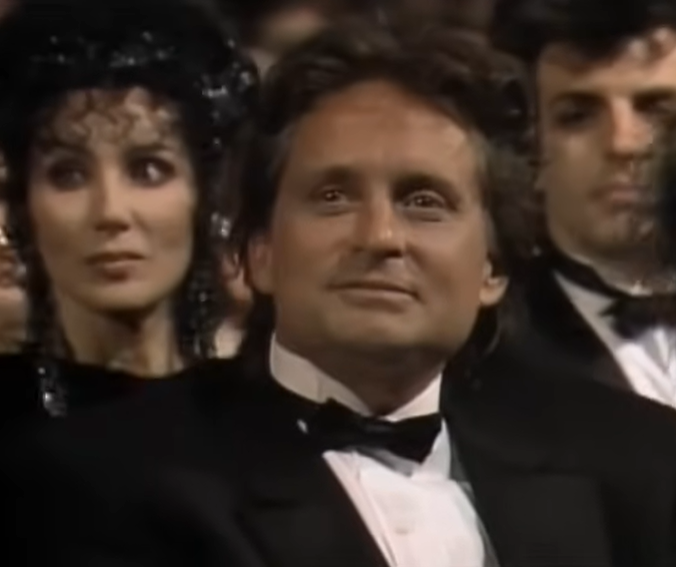
A major turning point during the michael douglas young years came when he starred in the television series The Streets of San Francisco. In this show, Michael Douglas played a police inspector alongside veteran actor Karl Malden. The series became very popular and was broadcast for several years. This role helped Michael Douglas gain recognition among television audiences and film producers. His performance in the series showed that he could handle serious and dramatic roles. It also helped him develop confidence as a professional actor. The success of this show made his young actor more visible in Hollywood and opened the door for bigger film opportunities in the future.
Producing Career and Breakthrough Moment
One of the most important achievements in the life of his young came when he decided to become a film producer. Instead of focusing only on acting, he wanted to be involved in the creative and business side of filmmaking as well. His biggest breakthrough came when he produced the famous film One Flew Over the Cuckoo’s Nest. The movie became a huge success and won five Academy Awards, including the award for Best Picture. This achievement was remarkable because Michael Douglas was still relatively young at the time. Producing such a successful film proved that he had strong instincts and vision in the film industry. The success of this project played a huge role in shaping the reputation of michael douglas young producer in Hollywood.
Major Film Success and Career Growth
After the early success of michael douglas young, his acting career continued to grow rapidly. He began receiving offers for major film roles that allowed him to demonstrate his talent and versatility as an actor. One of his most famous performances came in the film Wall Street, where he played the role of Gordon Gekko, a powerful and ambitious businessman. His performance in this film was widely praised by critics and audiences. The role earned him an Academy Award for Best Actor and made him one of the biggest stars in Hollywood. Later, he also appeared in successful films such as Basic Instinct and The Game. These movies further strengthened his reputation as a talented and versatile actor.
Personal Life and Family
In addition to his professional career, the personal life of michael douglas young has also been widely discussed by fans and the media. Michael Douglas was first married to Diandra Luker, and the couple had one son together. Later, he married famous actress Catherine Zeta-Jones in 2000. Their marriage attracted global attention because both were major Hollywood stars. Together they have two children and are considered one of the most well-known couples in the entertainment industry. Despite the pressures of fame, Michael Douglas has often spoken about the importance of family and maintaining a balance between work and personal life.
Net Worth and Financial Success
Over the decades, the career that started during the michael douglas young years has generated significant financial success. Michael Douglas has earned money through acting, producing films, television work, and investments. His successful movies have generated billions of dollars at the global box office. In addition to acting income, he has also benefited from producing films and participating in major Hollywood projects. Today, his estimated net worth is around $350 million. This financial success reflects not only his talent but also his smart decisions in choosing film roles and business opportunities.
Legacy in Hollywood
The journey from michael douglas young actor to one of the most respected figures in Hollywood is truly remarkable. Over the years, Michael Douglas has proven himself as a talented actor, skilled producer, and influential figure in the entertainment industry. His performances have entertained audiences around the world and inspired many young actors. He has also helped produce films that became important milestones in cinema history. Because of his contributions to film and television, Michael Douglas is widely regarded as one of the most successful actors of his generation. His legacy continues to influence the film industry and inspire future filmmakers.
Conclusion
The story of michael douglas young is an inspiring example of how dedication, education, and passion can lead to great success. Although he was born into a famous Hollywood family, Michael Douglas worked hard to build his own career and reputation. His early years were filled with learning, challenges, and opportunities that helped shape his future achievements. From television roles to producing award-winning films and starring in blockbuster movies, his journey shows how determination can transform dreams into reality. Today, Michael Douglas remains a respected and admired figure in the entertainment industry, and his story continues to inspire people who want to pursue careers in film and acting.
FAQs :
Who is Michael Douglas?
Michael Douglas is a famous Hollywood actor and film producer known for movies like Wall Street, Basic Instinct, and Ant-Man. He has won multiple awards including Academy Awards and Golden Globe Awards.
What was Michael Douglas young life like?
During the michael douglas young years, he grew up in a Hollywood family and was inspired by his father Kirk Douglas. He studied drama in university and slowly started his career through television and small film roles.
What was Michael Douglas first movie?
One of the early films of Michael Douglas was Hail, Hero! released in 1969. The film helped introduce him to the film industry and started his acting journey.
What is Michael Douglas net worth?
Michael Douglas has an estimated net worth of around $350 million, earned through acting, producing films, and various investments.
Who is Michael Douglas wife?
Michael Douglas is married to actress Catherine Zeta-Jones. The couple married in 2000 and have two children together.