Sherrie Hewson: Affluence, Career & Family Stories
Sherrie Hewson: Affluence, Career Path & Family Narratives

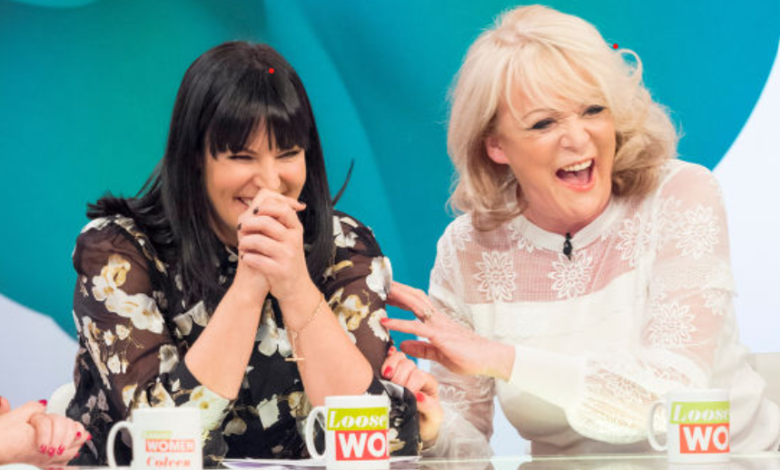
Sherrie Hewson was born on 17 September 1950 in Beeston, England. Her full name is Sherrie Lynn Hutchinson. She grew up in a show-business family. Her father, Ronald, was a singer, and her mother, Joy, worked as a model.
She is a beloved British actress whose career spans decades of television, stage, and reality shows. Known for her versatility and charm, she has become a household name. Fans and media alike are often curious about Sherrie Hewson net worth, as well as her family, personal life, and the fascinating journey that brought her success.
This article explores her life in detail, sharing fascinating facts and personal moments that define her story.
Sherrie Hewson Profile: Quick Facts
| Attribute | Details |
|---|---|
| Full Name | Sherrie Lynn Hutchinson |
| Known As | Sherrie Hewson |
| Date of Birth | 17 September 1950 |
| Age | 75 (2025) |
| Birthplace | Warrington, Lancashire, England |
| Height | 5’5’’ (165 cm) |
| Weight | 65 kg approx. |
| Profession | Actress, TV Personality |
| Nationality | British |
| Zodiac | Virgo |
| Father | Jimmy Hewson (Actor) |
| Husband | Chris Naylor |
| Children | Keeley |
| Estimated Net Worth | £1–£3 million |
Early Life and Inspirations
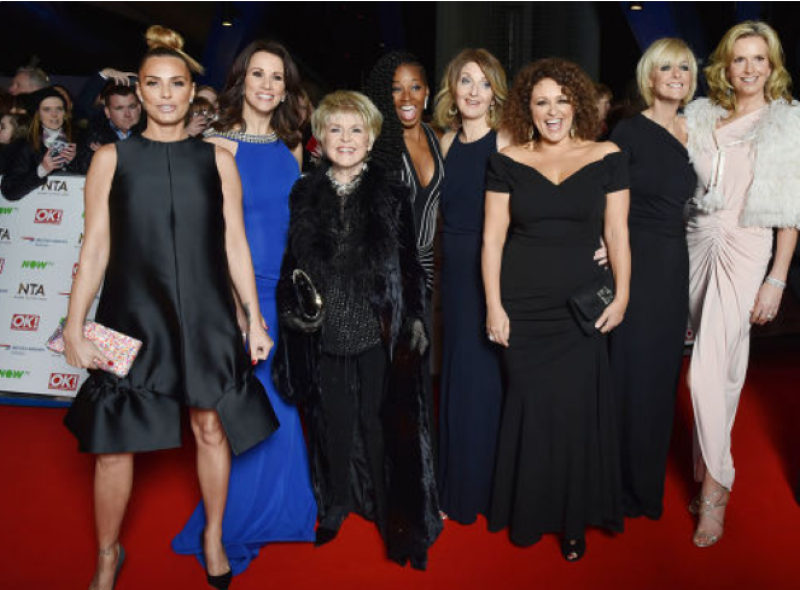
Born in Warrington, Sherrie grew up surrounded by the performing arts. Her father, Jimmy Hewson, was an actor, which naturally influenced her career choice.
From an early age, Sherrie exhibited a flair for acting, performing in school plays and local theatre. She later honed her craft at the Royal Academy of Dramatic Art (RADA), which laid the foundation for her professional journey.
A fascinating fact: Sherrie once admitted in an interview that she practiced acting in front of mirrors at home as a child, imagining herself on big stages. This playful dedication helped her develop confidence and screen presence early.
Career Path
Sherrie Hewson began acting in the 1970s, gradually moving from small roles to prominent TV shows.
Key milestones in her career:
-
Coronation Street – Early soap opera roles introduced her to national audiences.
-
Crossroads – Strengthened her reputation as a versatile actress.
-
Loose Women – Her talk show appearances highlighted her witty and approachable personality.
-
Emmerdale – The role of Rosemary King brought critical acclaim and further popularity.
-
Celebrity Big Brother – Introduced her to younger audiences and gave insight into her personal life.
Throughout these projects, Sherrie demonstrated versatility in drama, comedy, and reality television, steadily building her career and Sherrie Hewson net worth.
Rise to Fame
Sherrie’s rise to fame was gradual but steady. She combined natural talent with a strong work ethic, and her on-screen charisma resonated with audiences.
A memorable personal moment: While filming Loose Women, Sherrie shared heartwarming stories from her early acting struggles, endearing her to fans. These candid moments added a personal dimension to her public persona, making her more relatable.
Fascinating Facts About Sherrie Hewson
-
She trained at RADA, one of the UK’s most prestigious acting schools.
-
Her father, Jimmy Hewson, played a significant role in her career inspiration.
-
She appeared in the Celebrity Big Brother house, giving viewers an intimate look at her personality.
-
Sherrie is known for her love of theatre and often supports stage productions.
-
She has a strong interest in literature and spends her leisure reading novels and biographies.
-
Sherrie is passionate about maintaining her health and balanced lifestyle, despite her busy schedule.
Personal Moments & Lifestyle
Sherrie Hewson leads a family-focused life. She is married to Chris Naylor, and they share a daughter named Keeley.
Some personal moments she has shared include:
-
Traveling with her family across Europe and enjoying quiet vacations.
-
Gardening and cooking as ways to relax and connect with home life.
-
Celebrating milestones privately, preferring meaningful family moments over public displays.
Despite fame, her lifestyle reflects simplicity and grounded values.
Hobbies and Interests
Beyond acting, Sherrie enjoys:
-
Reading – Immersing herself in novels and biographies.
-
Gardening – A therapeutic hobby she cherishes.
-
Theatre – Watching live performances and occasionally mentoring young actors.
-
Travel – Exploring new places with her family in a low-key, meaningful way.
These hobbies reflect her desire to balance personal fulfillment with professional achievements.
Movies and Television Highlights
Some of Sherrie Hewson’s most memorable screen appearances include:
-
Coronation Street
-
Crossroads
-
Emmerdale
-
Loose Women
-
Celebrity Big Brother
-
Benidorm
-
The Addams Family (Stage Version)
Her performances consistently received praise, contributing to both her fame and her Sherrie Hewson net worth.
Sherrie Hewson Net Worth
As of 2025, Sherrie Hewson net worth is estimated at £1–£3 million.
Sources of income include:
-
Long-running TV shows
-
Theatre performances
-
Reality television
-
Guest appearances and hosting events
Her financial success reflects decades of consistent work and versatility across genres.
Houses & Cars
Sherrie owns a comfortable home in England. Her lifestyle is modest and practical, focusing on comfort rather than luxury. She prefers cars that are functional, aligning with her grounded personality.
Social Media & Fan Engagement
Sherrie uses social media platforms to share:
-
Career updates
-
Behind-the-scenes glimpses
-
Personal reflections
-
Family moments
Fans appreciate her candidness and humor online, which adds depth to her public image.
Conclusion
Sherrie Hewson’s life is a testament to talent, perseverance, and authenticity. Her long-standing career in British television and theatre has earned her both respect and wealth, reflected in her Sherrie Hewson net worth.
Beyond money, her personal stories, family life, and passion for acting make her a relatable and inspiring figure. From early struggles to a successful career, she continues to leave a mark on the entertainment industry.
FAQs
1. What is Sherrie Hewson net worth?
Estimated between £1–£3 million.
2. How did she earn her wealth?
Through acting, TV appearances, theatre, and reality shows.
3. Who is she married to?
Chris Naylor.
4. Does she have children?
Yes, a daughter named Keeley.
5. What are some fascinating facts about Sherrie Hewson?
Trained at RADA, appeared on Celebrity Big Brother, loves theatre, and enjoys gardening and reading.