Chicken Tortellini Soup: Cozy, Creamy & Easy Comfort Food
The Ultimate Guide to Comfort: Crafting Perfect Tortellini Soup with Chicken

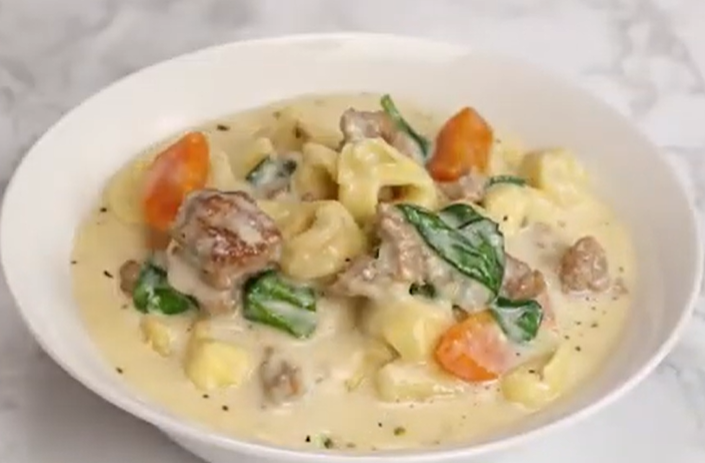
Imagine coming home on a chilly evening, tired from the day, and craving something warm that hugs your soul. That’s the magic of chicken tortellini soup. This dish blends tender chicken, cheesy pasta pockets, and fresh veggies in a savory broth, making it a go-to for quick family dinners.
It’s simple to whip up in under an hour, yet feels like a cozy embrace. With endless tweaks, you can make it your own, whether you like it light or hearty.
Info Table
| Aspect | Details |
|---|---|
| Dish Type | Soup / One-Pot Meal |
| Main Protein | Chicken (rotisserie or fresh) |
| Pasta | Cheese or meat tortellini |
| Cook Time | ~40–50 minutes |
| Difficulty | Easy |
| Best For | Family dinners, cold weather |
| Storage | Fridge 3–4 days, Freezer up to 3 months |
| Customizable | Yes (creamy, dairy-free, vegan style) |
Mastering the Foundation—The Perfect Broth
A great chicken tortellini soup starts with a solid broth. It carries all the flavors, so don’t skimp here. We’ll break down how to build that base step by step.
Choosing Your Chicken: Stock vs. Shredded Meat

Pick your chicken wisely for the best taste in tortellini soup with chicken. Rotisserie chicken saves time and adds smoky depth, but it can be salty if you don’t watch portions. Poach fresh breasts or thighs in the broth for control over seasoning and pure chicken flavor.
Go for bone-in thighs if you want richer stock—they release gelatin for a silky feel. Shred the meat once cooked to keep bites tender. Aim for 1 to 1.5 pounds of chicken to feed four, avoiding dry results from overcooking.
Elevating the Broth Base: Aromatics and Depth
Start with mirepoix: one onion, two carrots, and two celery stalks, diced fine. Sauté them in a bit of olive oil over medium heat until soft, about five minutes. This draws out natural sugars for a sweet undertone in your chicken tortellini soup recipe.
Use six cups of low-sodium chicken stock next. Homemade shines, but store-bought works if it’s quality. Simmer everything together for 20 minutes to let flavors blend without boiling hard.
Flavor Boosters: Herbs and Seasoning Secrets
Fresh herbs lift basic broth to star status. Tie a bay leaf, a few thyme sprigs, and oregano into a cheesecloth bundle for easy fish-out. Add it early in the simmer for steady infusion.
Season with salt, pepper, and a pinch of garlic powder. Taste as you go—start light since tortellini brings saltiness. A dash of red pepper flakes adds subtle heat if you like a kick in your easy chicken tortellini soup.
The Star Ingredient—Selecting and Preparing Tortellini

Tortellini steals the show in this soup. These stuffed pasta bites soak up broth like little sponges. Choose and cook them right to avoid disappointment.
Fresh vs. Frozen: Which Tortellini Holds Up Best?
Fresh tortellini cooks fast, in just two to three minutes, and holds a firm bite. But it can burst if overdone in hot soup. Frozen versions, like cheese-filled ones, take four to five minutes and stay intact better during reheating.
For meat tortellini, frozen often wins for soup—they’re sturdier. Test one piece first to nail timing. This keeps your chicken tortellini soup from turning gummy.
- Pros of fresh: Delicate flavor, quick prep.
- Cons: Prone to breaking in long simmers.
- Frozen tip: Thaw slightly for even cooking.
Preventing Tortellini Clumping: Cooking Techniques
Add tortellini last, after chicken and veggies simmer. Use plenty of broth—one cup extra per serving—to give them space. Stir gently once, then let them bob for the full cook time.
Drop them into simmering, not boiling, liquid to prevent sticking. A quick rinse under cold water before adding helps too. These steps ensure plump, separate pasta in every bowl of tortellini chicken soup.
Beyond Cheese: Exploring Tortellini Varieties for Soup
Cheese tortellini pairs classic with chicken’s savoriness. Try spinach-ricotta for a green twist that echoes added veggies. Mushroom-filled ones bring earthy notes, perfect with thyme in the broth.
Prosciutto or sausage varieties amp up meatiness without extra work. Pick based on your crowd—kids love plain cheese, adults dig bolder options. Each type shines in this versatile chicken tortellini soup dish.
Building Texture and Nutrition with Vegetables
Veggies add crunch and color to balance the richness. They boost health without stealing focus. Layer them in for a complete meal.
The Best Vegetable Pairings for Hearty Soup
Zucchini slices hold shape well—add them midway through cooking. Green beans snap with freshness; toss in for the last five minutes. Carrots from the mirepoix provide sweetness already.
Spinach wilts fast, so stir it in at the end. Kale needs longer to soften, about 10 minutes. These picks make your best chicken tortellini soup nutritious and filling.
- Zucchini: Mild, absorbs broth.
- Green beans: Crisp contrast.
- Spinach: Iron-packed, easy add.
Adding Brightness: Acidity and Fresh Greens
A squeeze of lemon juice at the finish cuts the fat. One tablespoon per pot brightens without overpowering. White wine vinegar works if you skip citrus.
Stir in chopped parsley or basil right before serving. They add pop of color and aroma. This step turns good soup into great, like a sunny day in a bowl.
Optional Add-Ins for a Robust Meal (One-Pot Wonder)
White beans, like cannellini, thicken things up—drain and add with veggies. Orzo pasta bulks it without overwhelming tortellini. Both make it a full dinner in one pot.
For extra protein, toss in chickpeas. Keep portions small to maintain balance. These tweaks suit hungrier nights in your tortellini soup chicken routine.
Creamy Dream—Making It Rich (Optional Variations)
Creaminess takes comfort to the next level. You can go light or indulgent. Adapt based on your mood.
Achieving Creaminess Without Heavy Cream
Make a quick roux: melt two tablespoons butter, whisk in two tablespoons flour, then stir into broth. It thickens smoothly without dairy. Puréed white beans blend in for creaminess and nutrition.
Mascarpone cheese, a spoonful off heat, melts velvety. These methods keep your creamy chicken tortellini soup lighter. No one misses the calories.
The Heavy Cream Consideration: When and How to Add Dairy
Stir in half a cup of heavy cream after heat’s off. This stops curdling in the hot broth. Swirl gently for even mix.
Use it sparingly—one part cream to four parts soup. Taste and adjust; it amps richness fast. Perfect for cozy winter versions of tortellini soup with chicken.
Dairy-Free and Vegan Alternatives for Tortellini Soup
Swap chicken stock for veggie broth. Use vegan tortellini, like spinach-filled. Coconut milk or cashew cream adds silk without animal products.
Blend soaked cashews with water for a neutral base. These changes keep the soup inviting for all. Your vegan chicken tortellini soup alternative stays hearty.
Pro Tips for Next-Level Flavor and Storage
Small habits elevate your soup game. Think ahead for storage too. These tricks make it foolproof.
The Power of Resting: Allowing Flavors to Marry
Let the pot sit off heat for 10 minutes post-cook. Broth soaks into tortellini, deepening taste. It’s like letting bread cool for better texture.
Even overnight in the fridge builds layers. Reheat gently to preserve that meld. Resting turns solid soup into memorable.
Expert Tips for Freezing and Reheating Tortellini Soup
Freeze broth, chicken, and veggies together in portions. Cook fresh tortellini when reheating to dodge mush. Portion into bags, flat for quick thaw.
Reheat on stove over low, adding pasta last for two minutes. Microwave works in a pinch, but stir often. This keeps your frozen chicken tortellini soup fresh-tasting.
- Freeze tip: Label with date.
- Reheat: Add water if thick.
- Shelf life: Up to three months.
Essential Garnishes That Transform the Bowl
Grate Parmesan over top for umami punch. A crack of black pepper adds bite. Drizzle olive oil for gloss and fruity note.
Toss on crushed red pepper for heat lovers. Fresh herbs tie it back to the base. These touches make each serving of tortellini chicken soup special.
Conclusion:
Chicken tortellini soup nails comfort with its simple parts: a flavorful broth, well-cooked pasta, and fresh veggies. Master the broth base, pick sturdy tortellini, and finish with acid or cream for your style. It’s quick, adaptable, and always hits home.
Grab your pot tonight and try this easy recipe. Tweak as you like—add beans or go vegan. You’ll have a staple that warms hearts and bellies alike. What variation will you make first?
FAQs (Frequently Asked Questions)
Can I use rotisserie chicken for tortellini soup?
Yes! Rotisserie chicken is a great time-saver and adds deep flavor. Just watch the salt level since it’s often pre-seasoned.
When should I add tortellini to the soup?
Always add tortellini near the end of cooking. This prevents it from becoming mushy or breaking apart.
Is fresh or frozen tortellini better for soup?
Frozen tortellini usually holds up better in soup and reheats well. Fresh tortellini cooks faster but can burst if overcooked.
How can I make the soup creamy without heavy cream?
You can:
-
Add a butter-flour roux
-
Blend white beans into the broth
-
Stir in mascarpone cheese off heat
Can I freeze chicken tortellini soup?
Yes, but freeze it without tortellini. Add fresh tortellini when reheating to avoid soggy pasta.
What vegetables work best in this soup?
Great options include:
-
Zucchini
-
Green beans
-
Spinach
-
Kale
-
Carrots & celery (mirepoix base)
How do I brighten the flavor of the soup?
A squeeze of lemon juice or a splash of white wine vinegar at the end lifts all the flavors.
Can I make this soup dairy-free or vegan?
Absolutely. Use:
-
Vegetable broth
-
Vegan tortellini
-
Cashew cream or coconut milk
How long does it last in the fridge?
It stays good for 3–4 days in an airtight container in the fridge.
What garnishes make it taste restaurant-quality?
Top with:
-
Grated Parmesan
-
Fresh parsley or basil
-
Black pepper
-
Drizzle of olive oil