Google Lens App: Smart Visual Search Tool Guide 2026
Google Lens App: A Complete Guide to Smart Visual Search 2026

The Google Lens App is a powerful image recognition tool developed by Google. It uses advanced artificial intelligence and neural network technology to analyze images and show useful information about objects. The app was first released on October 4, 2017, and since then, it has become one of the most helpful tools for smartphone users.
Moreover, this app works on multiple operating systems such as Android, iOS, Windows, macOS, ChromeOS, and Linux. The latest stable version is 1.18 (Build 250731009), released on August 5, 2025.
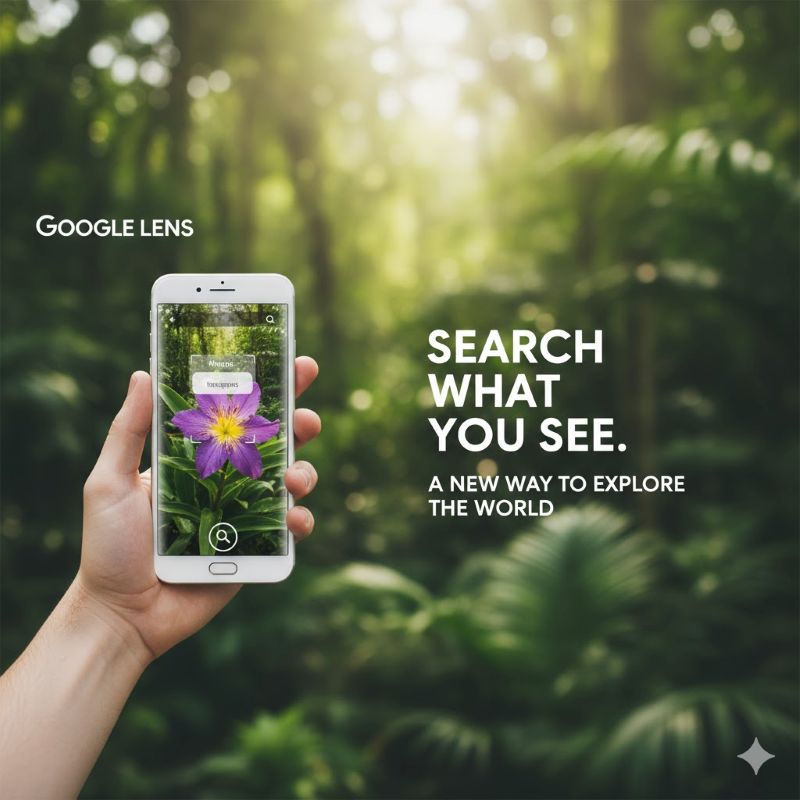
In simple words, the app allows you to search what you see. You just point your camera at something, and the app gives you instant information. Because of this, millions of people use it daily for learning, shopping, traveling, and much more.
What is Google Lens App?
This app is an AI-powered visual search tool. It helps users identify objects, text, places, animals, plants, and products using a smartphone camera. Instead of typing a search, you can simply take a photo.
For example, if you see a flower and want to know its name, just open this app and scan it. The tool will show the flower’s name, details, and even care tips.
As a result, this app saves time and makes searching easier.
Quick Info Table
| Feature | Details |
|---|---|
| App Name | Google Lens App |
| Developer | |
| Initial Release | October 4, 2017 |
| Latest Version | 1.18 (Build 250731009) |
| Operating Systems | Android, iOS, Windows, macOS, ChromeOS, Linux |
| Technology | AI, Neural Network |
| Main Use | Image Recognition |
| Cost | Free |
| Languages | Multiple |
| Availability | Worldwide |
How Does Google Lens App Work?
This app uses artificial intelligence and machine learning. When you take a photo, the app scans it and compares it with Google’s large database.
Then, it shows accurate results such as names, descriptions, links, prices, and translations.
Because of
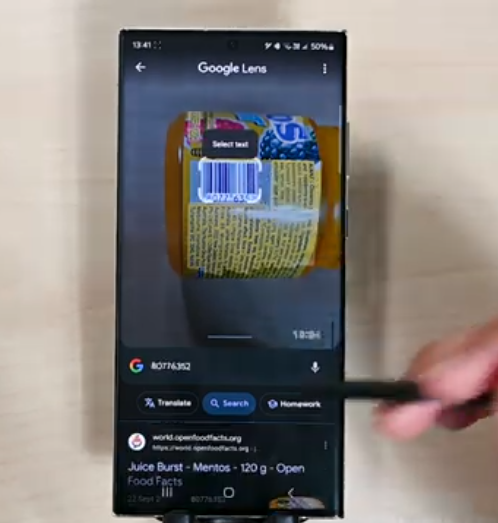
this app can recognize:
-
Objects
-
Text
-
Places
-
Products
-
Animals
-
Plants
-
QR codes
How to Use (Step-by-Step)
Using is very easy. Just follow these steps:
Step 1: Open the App
First, open the Google app or your phone’s camera.
Step 2: Tap on Lens Icon
Then, tap the Google Lens icon.
Step 3: Point Camera
After that, point your camera at the object.
Step 4: Take Photo
Next, take a photo or scan live.
Step 5: View Results
Finally, you will see information on your screen.
As you can see, the visual search tool works quickly and smoothly.
Main Uses of Google Lens App
The visual search tool has many useful features. Let’s explore them one by one.
1. Text Recognition
You can scan text from books, notes, or signs. Then, you can copy or translate it.
2. Translation
The Google Lens App can translate text into many languages instantly.
3. Product Search
You can find product names, prices, and reviews by scanning items.
4. Plant & Animal Identification
The app tells you the names of plants and animals.
5. Landmark Recognition
You can scan famous places to get historical details.
6. Homework Help
Students use this app to solve math and science problems.
7. QR Code Scanner
It scans QR codes easily.
Benefits
The app offers many benefits:
-
Saves time
-
Easy to use
-
Free of cost
-
Works on many devices
-
Supports many languages
-
Helpful for students
-
Great for travelers
-
Useful for shopping
Because of these advantages, the visual search tool is used worldwide.
Students love the Google Lens App because it helps with
Students love this app because it makes learning much easier and more efficient. For homework, it allows them to quickly scan questions from textbooks or worksheets and find accurate answers or explanations, saving a lot of time. When it comes to research, the app can identify objects, places, or text and provide detailed information instantly, which helps students gather reliable data for projects or assignments.
The app is also excellent for translations. Students who are learning a new language or need to understand foreign text can simply point their camera at it, and the Google Lens App will translate it instantly into their preferred language. Additionally, it helps with copying notes. Instead of writing everything by hand, students can scan printed or handwritten notes and save them digitally for future reference.
Math solutions are another major benefit. The Google Lens App can solve equations step by step, which not only gives the answer but also helps students understand the process, improving their learning experience.
Therefore, by combining all these features, this app becomes a truly powerful learning tool, helping students save time, improve accuracy, and explore information in smarter ways.
Google Lens App for Travelers
The Google Lens App is a game-changer for travelers, making trips more convenient and enjoyable. One of its most useful features is translating signs and text in real time. Whether you are in a foreign country and come across street signs, shop names, or instructions, you can simply point your camera at the text, and the app will translate it instantly into your preferred language. This removes language barriers and helps travelers navigate unfamiliar places with ease.
Travelers also use the app to find locations and explore nearby attractions. By scanning landmarks, shops, or restaurants, the Google Lens App provides detailed information, including opening hours, reviews, and directions. This helps tourists plan their day more efficiently and discover hidden gems.
When it comes to identifying food, the app is extremely helpful. Travelers can scan dishes at a restaurant or local market to know what they are, read ingredients, or even find similar recipes. It is especially useful for those with dietary restrictions or food allergies.
The app also makes it easier to read menus in foreign languages. By scanning a menu, travelers can instantly see translations of dishes, which makes ordering food stress-free and more enjoyable.
Lastly, the Google Lens App helps travelers understand maps. By pointing the camera at a physical map or street view, it can provide directions, highlight points of interest, and make navigation simple, even in unfamiliar cities.
As a result of all these features, the Google Lens App transforms traveling into a smoother, safer, and more exciting experience, allowing users to focus on enjoying their trip rather than worrying about logistics or language barriers.
Google Lens App for Shopping
The Google Lens App is not just for learning or traveling—it is also a powerful tool for smart shopping. One of its main advantages is the ability to find product prices instantly. Instead of searching manually or visiting multiple stores, users can simply scan a product with their camera, and the app will show the price online and in nearby stores.
Additionally, the app helps users compare items easily. If you are unsure which product is better or more affordable, the Google Lens App provides comparison details including prices, ratings, and specifications. This allows shoppers to make informed decisions and save money.
Reading product reviews is another key feature. By scanning a product, users can quickly access feedback from other buyers, ensuring they understand the quality and performance before making a purchase.
The app also helps in discovering similar products. If a particular item is not available or you want alternatives, the Google Lens App shows comparable options, making shopping convenient and stress-free.
As a result of all these features, shopping becomes smarter, faster, and more efficient, allowing users to save time, money, and effort.
Google Lens App on Different Devices
One of the reasons the Google Lens App is so popular is its wide accessibility across devices. It is compatible with Android phones, iPhones, Windows PCs, macOS, ChromeOS, and Linux, which means nearly anyone can use it regardless of their device.
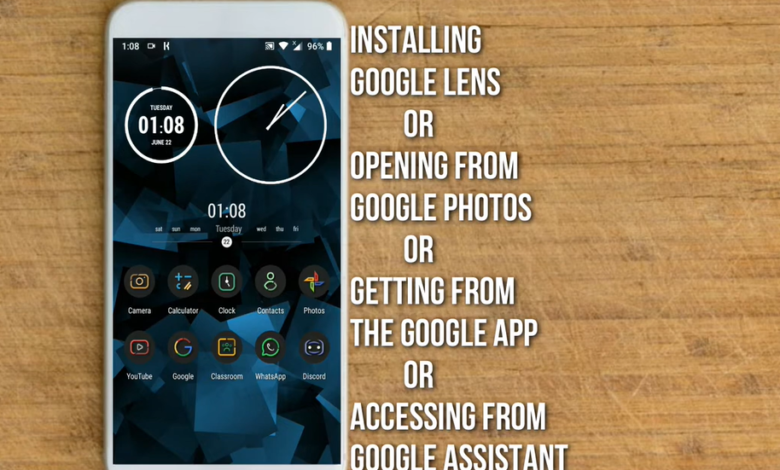
On Android phones, Google Lens is often integrated directly into the camera app or the Google app, making it easy to access. On iPhones, it can be used through the Google app or Google Photos. For desktop users, Lens functionality is available through Google Chrome or Google Images, allowing users to upload images and search visually.
Because it works on so many platforms, the Google Lens App is accessible to students, travelers, shoppers, and professionals alike. No matter what device you have, you can take advantage of its smart features for learning, exploring, shopping, and solving everyday problems.
Is Google Lens App Safe?
Yes, the app is safe to use. Google follows strong privacy policies.
However, users should avoid scanning personal documents.
Interesting Facts
-
It uses AI technology
-
Works in real-time
-
Supports many languages
-
Free to use
-
Popular worldwide
-
Final Thoughts
In today’s digital world, the Google Lens App has become a powerful and helpful tool for people of all ages. Whether you are a student, traveler, shopper, or just curious about the world, this smart visual search feature makes life easier. You can scan objects, translate text, find products, and learn new things in seconds.
Most importantly, it is free, easy to use, and works on many devices. Instead of typing long searches, you can simply use your camera. As technology keeps improving, tools like this will continue to change the way we learn and explore.
FAQs
1. What is Google Lens App?
Google Lens App is a smart visual search tool by Google. It uses your camera to पहचान (identify) objects, text, places, products, and more. You just scan something, and it shows useful information instantly.2. Is Google Lens App free?
Yes, Google Lens App is completely free. You do not need to pay anything to use its features.3. How to use Google Lens on iPhone without app?
On iPhone, you can use Google Lens through the tool or Google Chrome. Just open the app, tap the camera (Lens) icon, and scan any object or text.4. How much is Google Lens App?
It is costs $0. It is a free service provided by Google.5. How to download Google Lens App?
On Android, Google Lens is usually built into the Google App or camera.
On iPhone, you can download the Google App from the App Store and use Lens from there.6. Is Google Lens an app?
Yes, Google Lens is a feature that works like an app. It is available inside the Google App, Google Photos, and some phone cameras.7. How to use Google Lens without app?
You can use Google Lens without a separate app by opening:-
Google Chrome
-
Google App
-
Google Images (on desktop)
Just click the Lens icon and upload a photo.
-