Black Coffee Table 2026 – Stylish & Modern Living Room Ideas
Black Coffee Table 2026

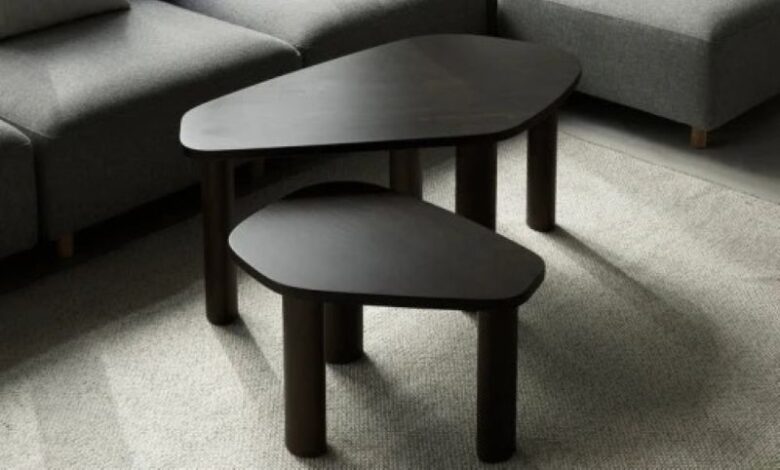
A black coffee table is more than just a functional piece of furniture. It is a statement element in your living room that complements your overall home décor. Whether you are searching for a short coffee table, cheap coffee tables, a low coffee table, or a wood coffee table small, this detailed guide will help you explore all options for 2026. From modern minimalist designs to rustic wooden tables, the perfect piece is waiting for you.
People are increasingly interested in black coffee tables because they blend style with functionality. Not only do they serve as a centerpiece, but they also provide storage, display, and aesthetic balance to the room. This guide explains the types, materials, buying tips, and FAQs so you can make an informed decision.
Why a Black Coffee Table is a Great Choice
First of all, a black coffee table is versatile. The neutral black color matches almost any décor style — modern, rustic, contemporary, or industrial. Moreover, black furniture hides minor stains or scratches better than lighter colors, which is ideal for families with kids or pets.
Additionally, black tables serve as a focal point in the living room. Placed in front of a sofa, they balance visual weight and enhance the room’s overall style. Black coffee tables are also available in multiple materials such as wood, metal, glass, or a combination, offering durability and aesthetic appeal.
Popular Black Coffee Table Styles
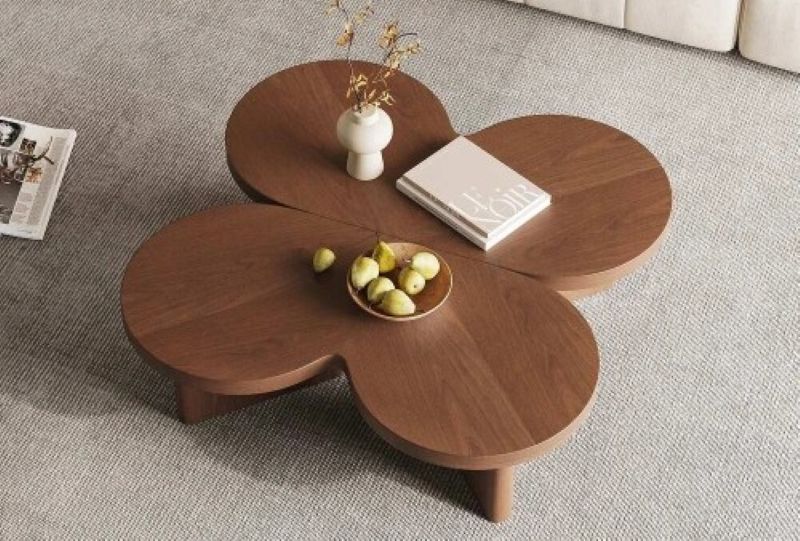
Short Coffee Tables
A short coffee table is ideal for apartments or small living rooms. Its low profile makes it accessible from all sides without taking up too much space. These tables are perfect for minimalistic interiors and are practical for daily use.
Low Coffee Tables
Low coffee tables are slightly longer but maintain a low height. Popular in modern and Japanese-inspired interiors, they suit casual seating arrangements and living rooms where floor-level seating is preferred.
Round Wood Coffee Tables Rustic
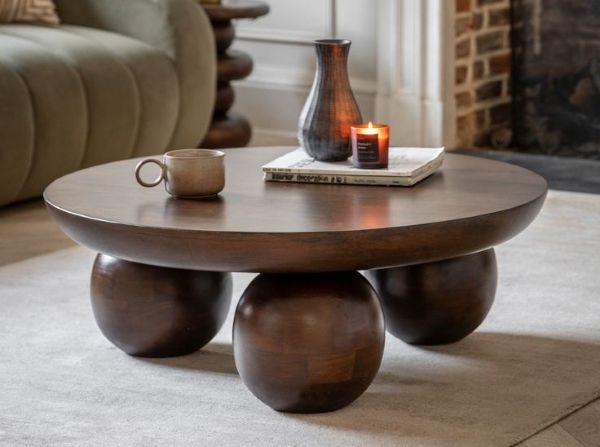
If you prefer a natural, earthy style, a round wood coffee table rustic is perfect. Constructed from reclaimed wood or solid timber, it adds warmth and texture to the room. Round tables are also safer in households with children because they have no sharp corners.
Small Wood Coffee Tables
A wood coffee table small fits perfectly in cozy spaces. Despite its size, it can provide storage or display space for magazines, books, or decorative pieces. Small wooden tables are timeless, durable, and fit almost any décor style.
Cheap Coffee Tables
Cheap coffee tables are budget-friendly options that don’t compromise on style. Using materials like MDF, plywood, or metal frames, these tables offer functionality, design, and affordability.
Materials and Finishes
| Material | Style | Pros | Cons |
|---|---|---|---|
| Solid Wood | Rustic, Traditional | Durable, classic look | Expensive |
| MDF / Particleboard | Modern, Budget | Affordable, lightweight | Less durable |
| Metal | Industrial, Modern | Strong, sleek | Can feel cold or hard |
| Glass Top | Contemporary | Stylish, reflective | Fragile, requires cleaning |
Buying Tips for 2026
-
Measure your living room before purchasing to ensure the table fits comfortably.
-
Consider tables with storage options like shelves or drawers.
-
Match your table with other furniture elements like sofas, rugs, or TV stands.
-
Choose a material and finish suitable for your lifestyle. For example, solid wood or metal for durability, glass for modern elegance.
-
Check online reviews and delivery options to ensure quality and accuracy.
Where to Buy
Black coffee tables are available online and in stores. Popular e-commerce platforms include Amazon, Wayfair, IKEA, and Walmart. For the latest products and availability, always check product dimensions and specifications before purchasing.
FAQs – Black Coffee Table 2026
Q1. What is the ideal height for a coffee table?
A: Generally, a coffee table should be 16–18 inches lower than your sofa seat height.
Q2. Are black coffee tables easy to maintain?
A: Yes, black surfaces hide minor stains, but regular dusting and polishing maintain their appearance.
Q3. Which material lasts the longest?
A: Solid wood is highly durable; metal frames are also long-lasting. MDF or particleboard is less durable.
Q4. Can a black coffee table fit in a small living room?
A: Absolutely. Round or small tables are ideal for compact spaces.
Q5. Are rustic round tables child-friendly?
A: Yes, rounded edges reduce injury risk for children.
Final Thoughts
In conclusion, the black coffee table is a versatile and stylish addition to any living room. From short coffee tables for small spaces to rustic round wood coffee tables, there is something for every taste and budget. By choosing the right style, material, and size, you can enhance both functionality and aesthetic appeal in your home.
Tip: For detailed product options and to browse the latest black coffee tables, visit the official store pages and online furniture shops.